
The amount paid in benefits is rising at the same rate as prices, measured by last September’s inflation rate. That was 1.7% – slower than the current rate of 2.8%.
The standard allowance of universal credit, the most common benefit, for a single person aged under 25 has gone up by £5.30 a month to about £317.
For a couple aged over 25, the rise is £10.50 to £628 a month.
Other benefits rising by 1.7% include all the main disability benefits, such as personal independence payment, attendance allowance and disability living allowance, as well as carer’s allowance.
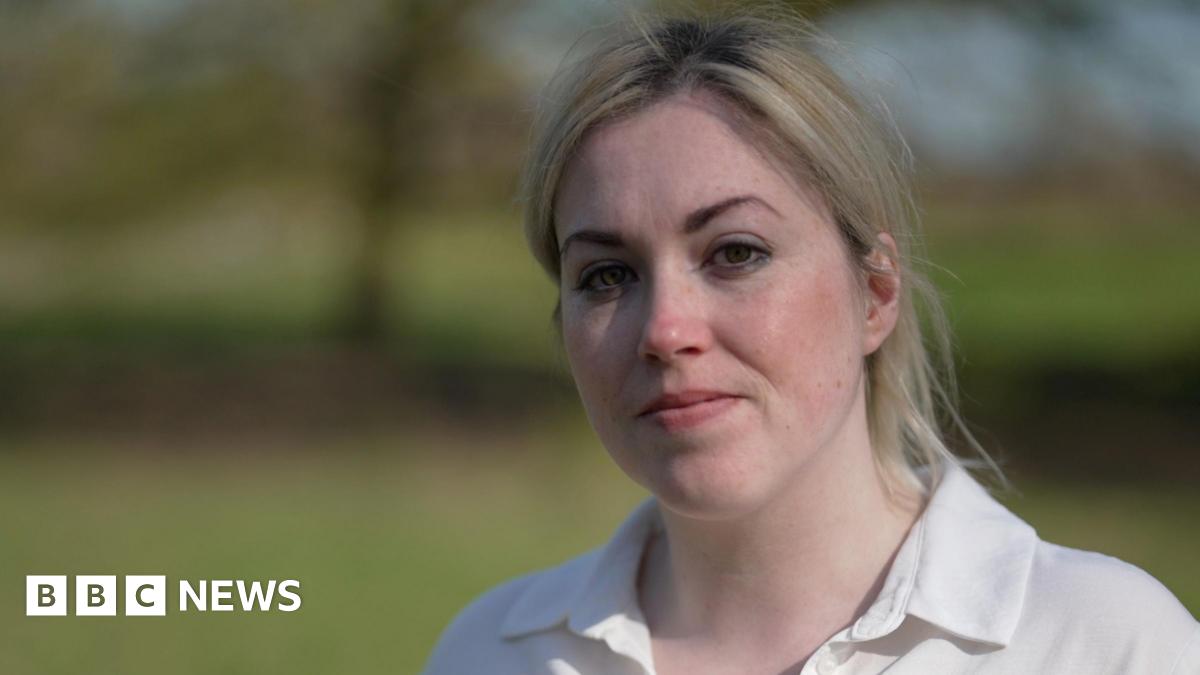
One of those receiving carer’s allowance is Stephanie Swann, who lives in Stockport and cares for her six-year-old disabled son, Joseph, who has cerebral palsy.
She, like others, will now be able to work more hours without the benefit being taken away.
She said the change was “a step in the right direction”.
“Going to work is really important, it’s a sense of identity and purpose but I can only do 11 hours a week or I’ll lose the allowance,” she said.
“The increase means I can probably only do two or three more hours a week, I wouldn’t be able to do any more than that because the admin around Joe can be a full-time job.”
The changes mean:
-
Working carers can earn up to £196 per week after certain deductions, up from £151, while keeping the allowance
-
The allowance itself will rise to £83.30 per week
-
An extra 60,000 carers will receive the money by 2029
There remain concerns over how some people have been forced to repay the allowance, after going only slightly over the earnings threshold.