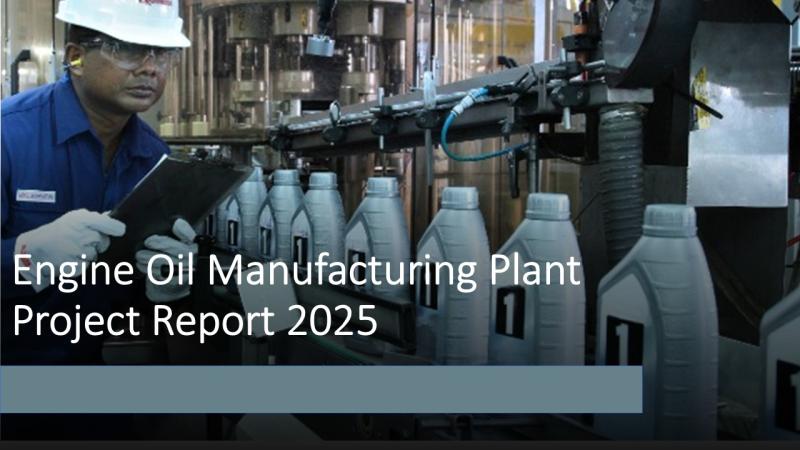

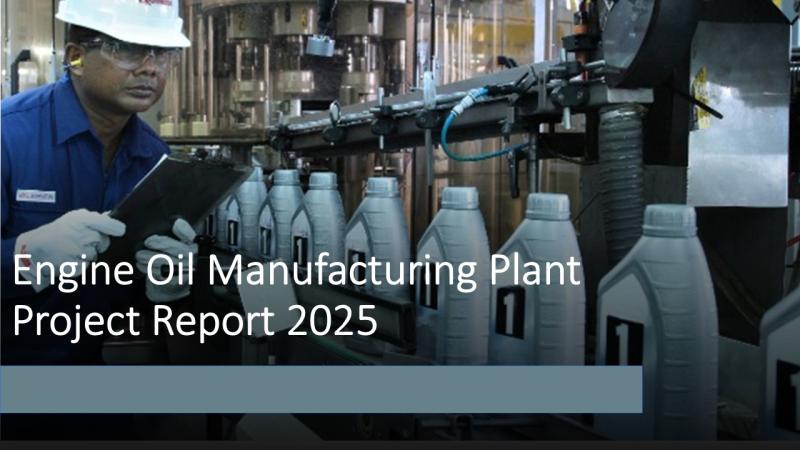
Engine oil is a vital lubricant formulated to reduce friction between moving parts in internal combustion engines, ensuring smooth operation and minimizing wear. It also helps in cooling, cleaning, and protecting engine components by preventing corrosion and removing contaminants. Typically composed of base oils and additives, engine oil plays a critical role in enhancing fuel efficiency, extending engine life, and maintaining overall vehicle performance.
Setting up an engine oil manufacturing plant involves securing raw materials, establishing blending and packaging facilities, and ensuring compliance with industry standards. Key factors include location, quality control systems, and efficient distribution networks.
IMARC Group’s report, titled “Engine Oil Manufacturing Plant Project Report 2025: Industry Trends, Plant Setup, Machinery, Raw Materials, Investment Opportunities, Cost and Revenue,” provides a complete roadmap for setting up an engine oil manufacturing plant. It covers a comprehensive market overview to micro-level information such as unit operations involved, raw material requirements, utility requirements, infrastructure requirements, machinery and technology requirements, manpower requirements, packaging requirements, transportation requirements, etc.
Request for a Sample Report: https://www.imarcgroup.com/engine-oil-manufacturing-plant-project-report
Engine Oil Industry Outlook 2025:
The engine oil industry outlook for 2025 indicates steady growth driven by rising vehicle ownership, industrial expansion, and increasing demand for high-performance lubricants. Advancements in automotive technology, particularly in hybrid and fuel-efficient engines, are shaping the need for specialized synthetic and semi-synthetic oils with improved viscosity and thermal stability. Additionally, stricter emission regulations are encouraging manufacturers to innovate eco-friendly formulations. While the shift toward electric vehicles presents a long-term challenge, the large base of internal combustion engine vehicles worldwide continues to sustain market demand. Emerging markets and expanding logistics sectors are expected to further boost industry growth in 2025.
Key Insights for Engine Oil Manufacturing Plant Setup:
Detailed Process Flow:
• Product Overview
• Unit Operations Involved
• Mass Balance and Raw Material Requirements
• Quality Assurance Criteria
• Technical Tests
Project Details, Requirements and Costs Involved:
• Land, Location and Site Development
• Plant Layout
• Machinery Requirements and Costs
• Raw Material Requirements and Costs
• Packaging Requirements and Costs
• Transportation Requirements and Costs
• Utility Requirements and Costs
• Human Resource Requirements and Costs
Capital Expenditure (CapEx) and Operational Expenditure (OpEx) Analysis:
Project Economics:
• Capital Investments
• Operating Costs
• Expenditure Projections
• Revenue Projections
• Taxation and Depreciation
• Profit Projections
• Financial Analysis
Profitability Analysis:
• Total Income
• Total Expenditure
• Gross Profit
• Gross Margin
• Net Profit
• Net Margin
Key Cost Components of Setting Up an Engine Oil Plant:
• Land and Infrastructure – Acquisition or leasing of land, construction of factory buildings, storage tanks, and utility installations.
• Machinery and Equipment – Blending units, filling and packaging machines, quality testing equipment, and storage facilities.
• Raw Materials – Base oils, chemical additives, and packaging materials such as bottles, drums, and labels.
• Labor and Workforce – Skilled and unskilled labor costs for operations, supervision, and administration.
• Utilities and Energy – Electricity, water supply, heating, and waste management systems.
• Regulatory Compliance – Licensing, certifications, safety equipment, and environmental management costs.
• Logistics and Distribution – Transportation, warehousing, and supply chain management expenses.
• Marketing and Branding – Promotional campaigns, brand development, and distribution partnerships.
Economic Trends Influencing Engine Oil Plant Setup Costs 2025:
• Fluctuating Crude Oil Prices – Variability in global crude oil prices directly impacts the cost of base oils, the primary raw material for engine oil.
• Inflationary Pressures – Rising costs of construction materials, machinery, and labor contribute to higher capital expenditure.
• Supply Chain Disruptions – Global logistics challenges and shipping delays increase transportation and procurement expenses.
• Energy Price Volatility – Higher electricity and fuel costs elevate operational and production expenses.
• Regulatory Compliance Costs – Stricter environmental and safety standards add to licensing and certification expenditures.
• Currency Exchange Rates – Fluctuations affect import costs for equipment, additives, and raw materials.
• Regional Economic Growth – Expanding automotive and industrial sectors in emerging markets encourage investments despite cost pressures.
Speak to an Analyst for Customized Report: https://www.imarcgroup.com/request?type=report&id=7429&flag=C
Challenges and Considerations for Investors in Engine Oil Plant Projects:
• High Initial Capital Investment – Significant costs for land, machinery, and infrastructure development.
• Raw Material Price Volatility – Dependence on crude oil derivatives makes production costs sensitive to market fluctuations.
• Regulatory Compliance – Strict environmental and safety regulations require continuous investment in monitoring and certification.
• Technological Advancements – Need for modern blending and testing equipment to meet evolving automotive standards.
• Market Competition – Presence of established global and regional brands creates pricing and branding pressures.
• Supply Chain Risks – Dependence on reliable logistics for raw material procurement and product distribution.
• Shifting Industry Dynamics – Growing adoption of electric vehicles may gradually reduce long-term demand.
• Skilled Workforce Requirement – Availability and retention of technical expertise for quality production and operations.
Conclusion:
The engine oil industry continues to present promising opportunities, supported by steady demand from the automotive and industrial sectors. Establishing an engine oil manufacturing plant requires careful planning, substantial investment, and adherence to regulatory standards, alongside strategies to manage raw material costs and supply chain complexities. While technological advancements and sustainability regulations introduce new challenges, they also create avenues for innovation in product formulations. Investors who adopt efficient operations, prioritize quality, and align with evolving market trends can position themselves competitively in this sector, ensuring long-term growth and resilience in a rapidly transforming global energy and mobility landscape.
Buy Now: https://www.imarcgroup.com/checkout?id=7429&method=1911
About Us:
IMARC Group is a global management consulting firm that helps the world’s most ambitious changemakers to create a lasting impact. The company excel in understanding its client’s business priorities and delivering tailored solutions that drive meaningful outcomes. We provide a comprehensive suite of market entry and expansion services. Our offerings include thorough market assessment, feasibility studies, company incorporation assistance, factory setup support, regulatory approvals and licensing navigation, branding, marketing and sales strategies, competitive landscape, and benchmarking analyses, pricing and cost research, and procurement research.
Contact Us:
IMARC Group
134 N 4th St. Brooklyn, NY 11249, USA
Email: sales@imarcgroup.com
Tel No:(D) +91 120 433 0800
United States: (+1-201971-6302)
This release was published on openPR.