
The European Commission’s updated Bioeconomy Strategy includes proposals to support companies developing food products through advanced fermentation technologies. The strategy aims to simplify regulations, boost production scaling, and improve infrastructure access for startups in the sector.
The strategy focuses on the potential of precision fermentation and biomass fermentation in producing alternative proteins and sustainable fats. Precision fermentation, long used to produce products like rennet for cheese, is now being applied to make proteins such as whey and alternatives to palm oil. Biomass fermentation, similar to beer or yogurt production, creates proteins with a meaty texture, ideal for plant-based meat substitutes, while also helping reduce agricultural waste.
Addressing regulatory hurdles for startups
Lea Seyfarth, policy officer at the Good Food Institute Europe (GFI Europe), said, “It’s great to see the Commission recognise the crucial role that fermentation can play in driving green growth, reducing our reliance on imports and boosting Europe’s international competitiveness.
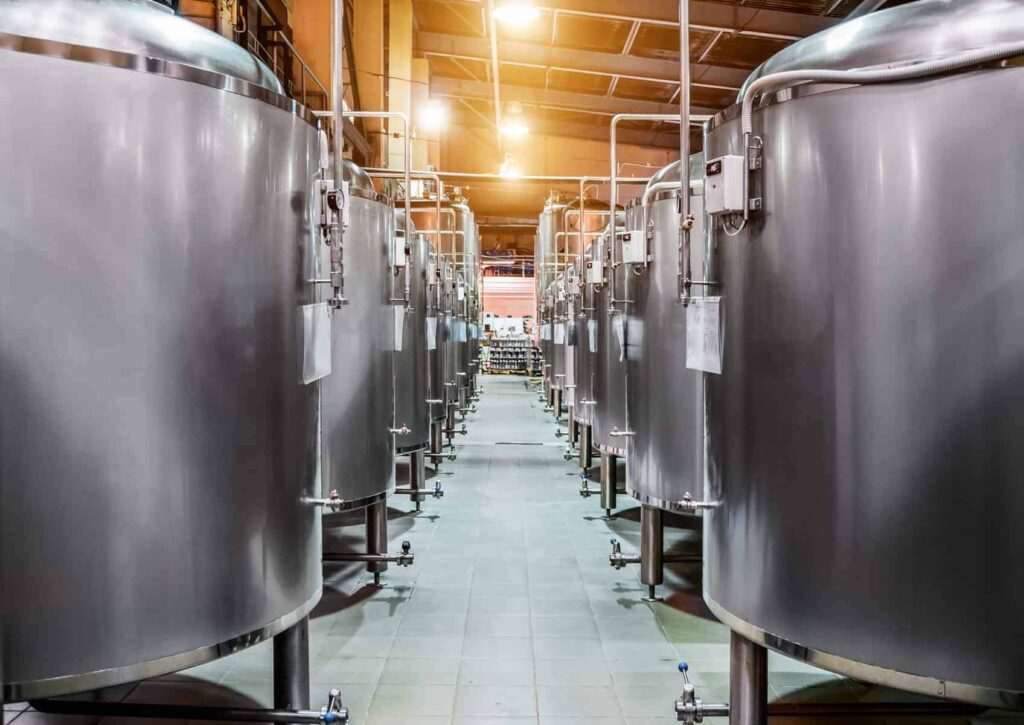
Despite their promise, these innovations face hurdles in reaching the market, primarily due to complex Novel Food Regulations and limited access to large-scale production facilities. Critics, including the Good Food Institute Europe (GFI Europe), argue that the approval process is overly burdensome, especially for small and medium-sized enterprises (SMEs) lacking the resources to navigate lengthy regulatory pathways.
GFI Europe has welcomed the Commission’s proposals to improve access to scale-up facilities and assist startups with navigating EU regulations. However, the nonprofit think tank urges the Commission to follow through with concrete actions that enable SMEs to commercialize the findings of Europe’s growing network of fermentation-focused scientists.
To address these challenges, the Commission proposes several initiatives, including regulatory “sandboxes”—controlled environments for collaboration between businesses, regulators, and academics to develop product standards for emerging technologies. The strategy also calls for more technical support for SMEs to help streamline the approval process, with the forthcoming Biotech Acts expected to further simplify regulations and accelerate product approvals.
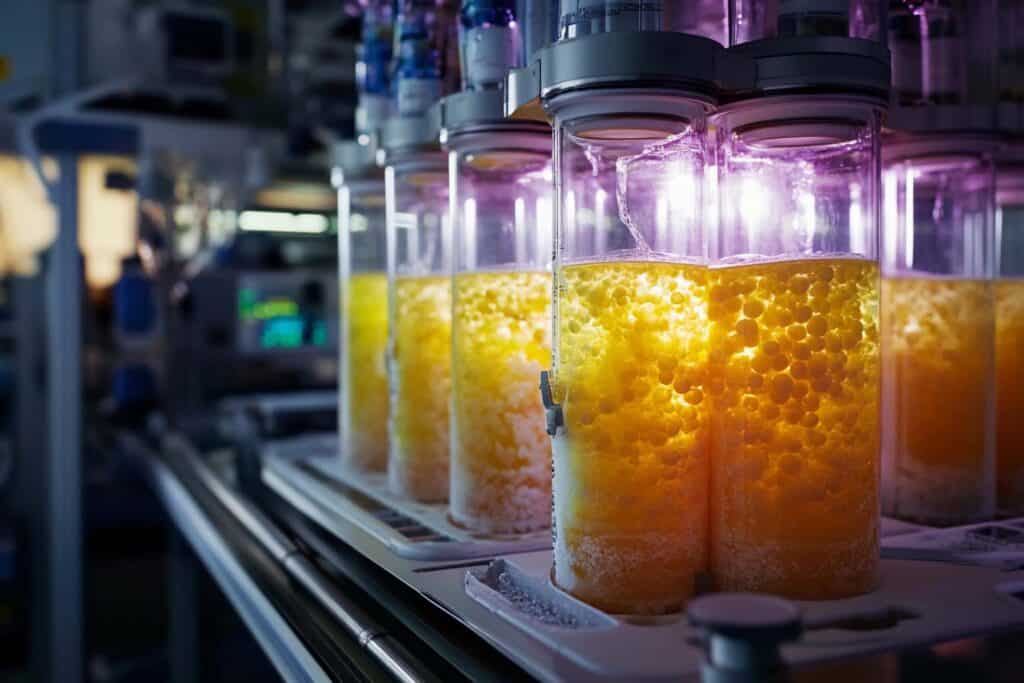
Scaling production is another major barrier, as many startups lack the resources to build large-scale facilities. The Commission’s strategy proposes improving access to pilot and demonstration-scale facilities to help companies test and refine their products before scaling up.
Reducing investment risk
To further support the sector, the strategy introduces blended-finance schemes to reduce investment risks. A new Bioeconomy Investment Deployment Group, involving the European Commission, the European Investment Bank, and private investors, will coordinate financial support for fermentation facilities and biorefineries.
Seyfarth continued, “For Europe to establish itself as a global leader in this technology, these proposals now need to be followed up with concrete actions. The upcoming Biotech Acts must build on this growing momentum with clear policies enabling startups to commercialise Europe’s scientific expertise and bring innovative food products to the market.”