
Quick Read
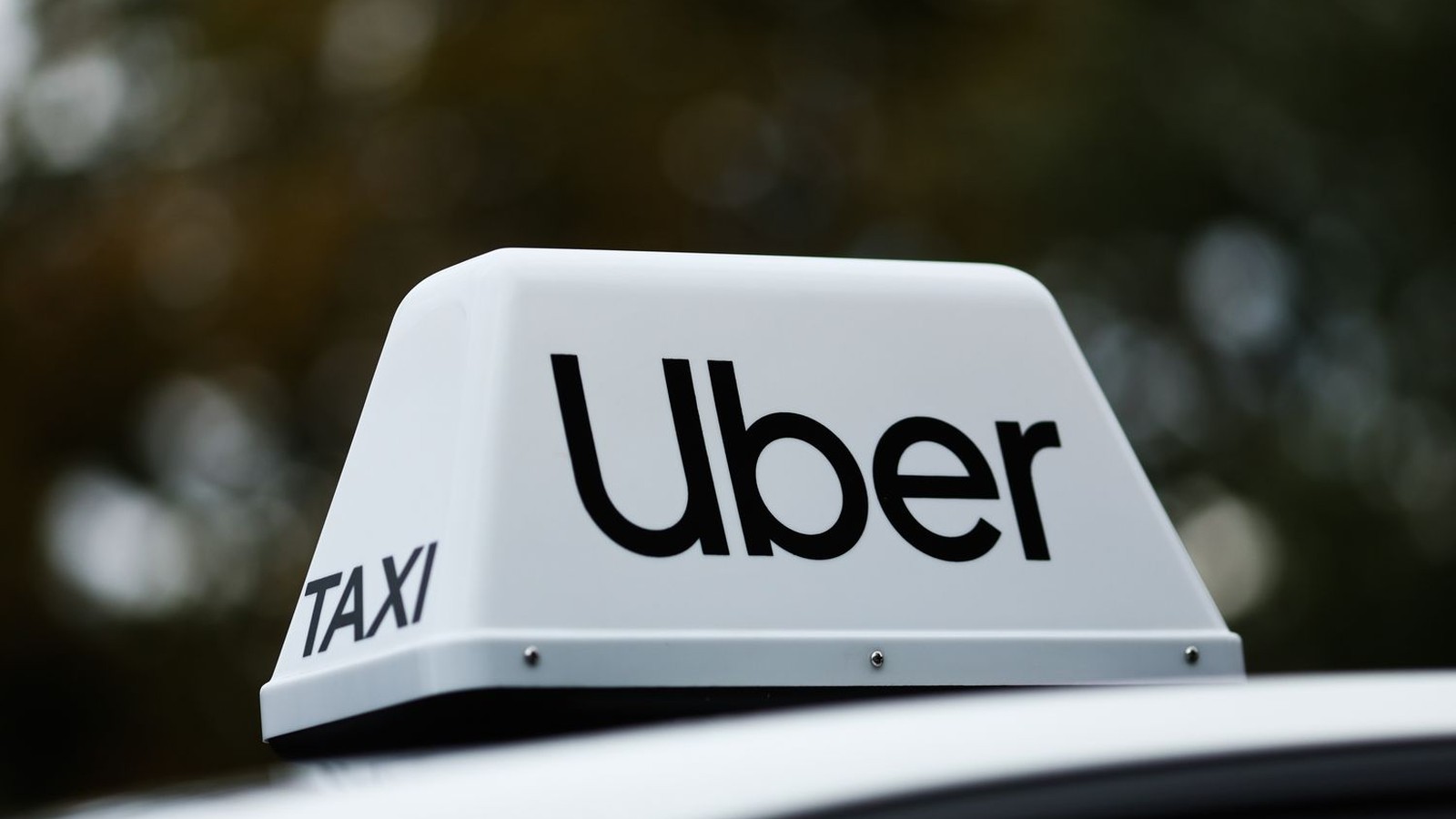
- Uber is the global leader in ridesharing, with 180 million monthly active users.
- The company is expanding into autonomous vehicles, planning tests in Munich by 2026.
- Uber’s financial health is strong, with $8.6 billion in cash and robust share buyback programs.
- Gross bookings in mobility and delivery segments are growing at double-digit rates.
- Investors should weigh high debt levels and premium stock valuation before investing.
Uber Technologies, a globally recognized leader in ridesharing and delivery services, has been making waves in the stock market with its ambitious growth strategies and innovative approaches. The company, headquartered in San Francisco, California, is not only expanding its core operations but also positioning itself as a key player in the autonomous vehicle (AV) market. With a market capitalization of approximately $205 billion and rising share prices, Uber has become a focal point for investors seeking long-term growth opportunities.
Uber’s Dominance in Ridesharing and Delivery
Uber has cemented its status as the global leader in the ridesharing sector, boasting 180 million monthly active users as of the second quarter of 2025. This marks a significant increase from the 156 million users recorded just a year ago. Additionally, Uber is the top player in the global delivery market, even though it lags behind DoorDash in the U.S. market. The company’s ability to leverage its extensive network of drivers and users has given it a competitive edge, allowing it to scale operations effectively.
Diversification has also been a cornerstone of Uber’s business strategy. Beyond ridesharing, the company has successfully expanded into food delivery and freight services. These efforts have not only mitigated risks but have also opened new revenue streams, contributing to its robust financial performance.
Autonomous Vehicle Ambitions
One of Uber’s most exciting ventures is its foray into the autonomous vehicle market. The company has adopted a partnership-driven approach, collaborating with various AV technology firms to avoid the high R&D costs associated with developing systems independently. Uber’s platform is designed to integrate autonomous vehicles from multiple partners, providing users with diverse options and enhancing its market adaptability.
In a significant announcement, Uber revealed plans to test autonomous vehicles in Munich, Germany, in 2026, in collaboration with self-driving tech partner Momenta. This initiative underscores Uber’s commitment to revolutionizing mobility and solidifying its position in the future of transportation.
Uber’s financial stability is another factor that makes it an attractive investment option. The company reported $8.6 billion in cash and equivalents at the end of the second quarter of 2025. It also achieved a free cash flow of $2.5 billion during the same period, marking a 44% year-over-year increase.
In a move to enhance shareholder value, Uber has initiated bold share buyback programs. The company announced an additional $20 billion repurchase authorization in August 2025, following a $7 billion program launched in 2024. These initiatives not only signal confidence in Uber’s ongoing business strategy but also provide a cushion against market volatility.
Growth Drivers and Market Performance
Uber’s gross bookings have been growing at impressive double-digit rates across its mobility and delivery segments. For the June quarter, gross bookings from the mobility segment increased by 18% year-over-year to $23.7 billion, while delivery bookings rose by 20% to $21.7 billion. These figures highlight the strong demand for Uber’s services and its ability to capitalize on market opportunities.
In addition to its operational achievements, Uber’s inclusion in the prestigious S&P 100 index further solidifies its market position. This move reflects the company’s significant market capitalization and underscores its influence in the industry.
Challenges and Investment Considerations
Despite its remarkable growth, Uber faces certain challenges that investors should consider. The company’s elevated debt levels, with a debt-to-total capital ratio of 0.3, exceed the industry average of 0.06. Additionally, Uber’s stock valuation appears stretched, trading at a price-to-earnings multiple of 29.76, higher than the industry average of 23.73.
Earnings estimate revisions have also been less than stellar, with some downward adjustments over the past 60 days. These factors suggest that while Uber remains a strong long-term investment, new investors might benefit from waiting for a more favorable entry point.
Uber Technologies continues to redefine the transportation and delivery industries with its innovative strategies and robust financial performance. While challenges exist, its dominance in the ridesharing market, ambitious autonomous vehicle plans, and prudent financial management make it a compelling investment option for those seeking growth and stability.