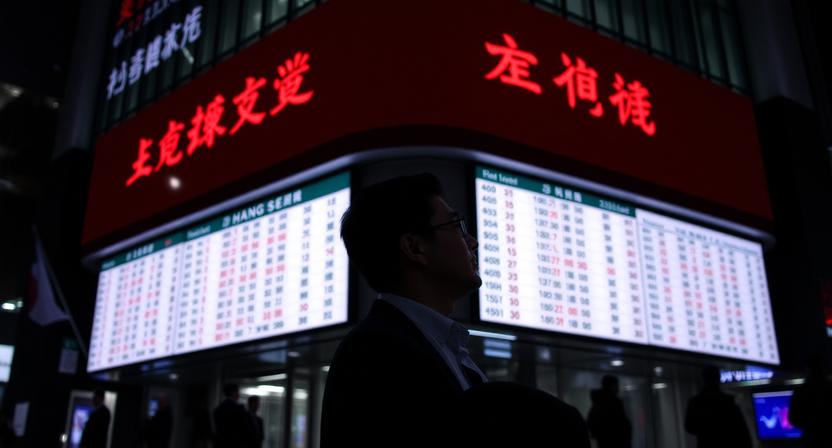

The Hang Seng Index is one of Asia’s most closely followed stock market indices, representing the performance of leading companies listed on the Hong Kong Stock Exchange. It acts as a key indicator of investor confidence in Hong Kong and mainland China while also reflecting broader global market sentiment. Movements in the Hang Seng Index often influence capital flows across Asia and beyond.
For global investors, the index is important not only for equity exposure but also for understanding risk trends. When stock markets face uncertainty, attention often shifts toward safe-haven assets such as gold, making the MCX gold rate today relevant alongside equity performance. The Hang Seng Index, therefore, plays a role in shaping investment decisions across multiple asset classes.
How the Hang Seng Index Works
The Hang Seng Index includes major companies from sectors such as financial services, technology, energy, consumer goods, and real estate. These companies are selected based on market size, liquidity, and their representation of the Hong Kong market. Many of the index constituents have strong links to mainland China, making the index sensitive to Chinese economic data and policy changes.
As a result, announcements related to economic growth, interest rates, regulatory reforms, or trade policies in China can quickly impact the Hang Seng Index.
Major Factors Influencing the Hang Seng Index
Several factors affect daily and long-term movements of the Hang Seng Index. Economic indicators from China, including manufacturing activity, inflation data, and export figures, strongly influence investor sentiment. Monetary policy decisions and government stimulus measures can either support or pressure the index.
Global market trends also play a crucial role. Performance of U.S. markets, particularly the S&P 500, often sets the tone for Asian equities. A strong U.S. market rally can lift global sentiment, while weakness in the S&P 500 may trigger risk aversion, impacting the Hang Seng Index.
In addition, global inflation trends, interest rate expectations, currency movements, and geopolitical tensions contribute to market volatility.
Hang Seng Index and Its Relationship with Gold Markets
The Hang Seng Index is closely linked to investor risk appetite. When the index experiences sharp declines, investors often move away from equities and look for safer assets. This shift typically increases demand for gold, influencing the MCX gold rate today.
Similarly, broader global equity sell-offs—especially when accompanied by weakness in the S&P 500—can accelerate this movement toward gold. Rising MCX gold prices often reflect increased global uncertainty and declining confidence in equity markets.
On the other hand, when the Hang Seng Index shows stability or upward momentum, investor confidence improves, and demand for safe-haven assets like gold may soften.
Why the Hang Seng Index Matters to Investors
The Hang Seng Index is a vital benchmark for investors seeking exposure to Asian markets. It provides insight into regional economic health, corporate earnings potential, and global risk trends. Institutional investors and fund managers often use it to assess portfolio diversification and emerging market opportunities.
For gold investors, monitoring the index offers additional context. A declining Hang Seng Index can signal rising market stress, which may support higher gold prices. Tracking both the index and the MCX gold rate today helps investors understand the balance between risk and safety in global markets.
Using Global Indicators for Smarter Investment Decisions
Successful investors often analyze multiple indicators together. Tracking the Hang Seng Index alongside the S&P 500 and gold prices provides a broader picture of global market sentiment.
During periods of heightened volatility, shifting part of a portfolio toward defensive assets like gold can help manage risk. At the same time, long-term investors may view sharp declines in the Hang Seng Index as potential entry opportunities, depending on broader economic conditions.
Conclusion
The Hang Seng Index is a key barometer of Asian market sentiment and global investor confidence. Its performance is influenced by regional economic data, policy decisions, and international market trends, including movements in the S&P 500. Changes in the index often affect investor behavior toward safe-haven assets, making the MCX gold rate today an important related indicator. By monitoring these markets together, investors can better understand global risk trends and make more balanced investment decisions.