The UK’s economic growth forecast has been slashed by the International Monetary Fund (IMF), with a warning that the fallout from Donald Trump’s trade war will hit Britain harder than the rest of Europe.
The global economic organisation predicts growth will stall by 0.5 per cent in 2025, with a further downgrade of 0.1 per cent in 2026. It means the UK economy will grow by just 1.1 per cent next year, and 1.4 per cent the year after.
Rising government borrowing costs as a result of Trump’s tariffs as well as higher inflation and sky-high energy costs in the wake of Russia’s invasion of Ukraine are all to blame, the IMF said.
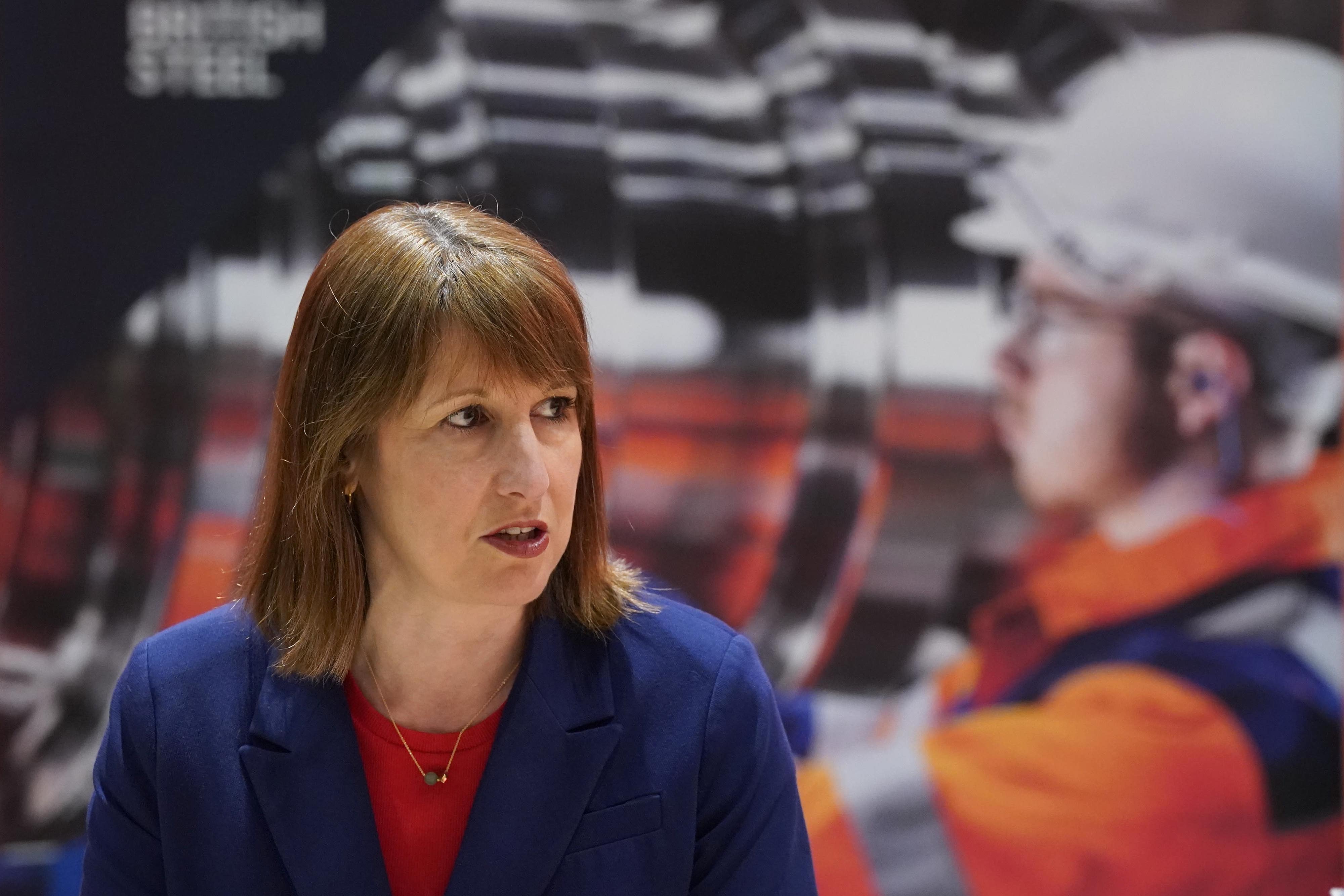
The downgrade threatens to wipe out the fiscal headroom Chancellor Rachel Reeves clawed back with sweeping benefits cuts in her spring statement, meaning she will likely have to make further cuts or hike taxes when she delivers her second Budget this autumn.
The brutal downgrade, more severe than the 0.2 per cent faced by Europe, comes as Ms Reeves flies to Washington for the IMF’s spring meetings, which will see finance ministers and business chiefs from across the G7 and G20 group of nations discuss the global economy.
The chancellor will also hold her first meeting with her American counterpart Scott Bessent as Britain seeks to avoid Mr Trump’s damaging levies on foreign imports to the US.
Reacting to the forecast ahead of the meeting, a defiant Ms Reeves said Britain will still be the fastest growing European economy in the G7.
She added: “The IMF have recognised that this government is delivering reform which will drive up long-term growth in the UK, through our Plan for Change.
“The report also clearly shows that the world has changed, which is why I will be in Washington this week defending British interests and making the case for free and fair trade.”
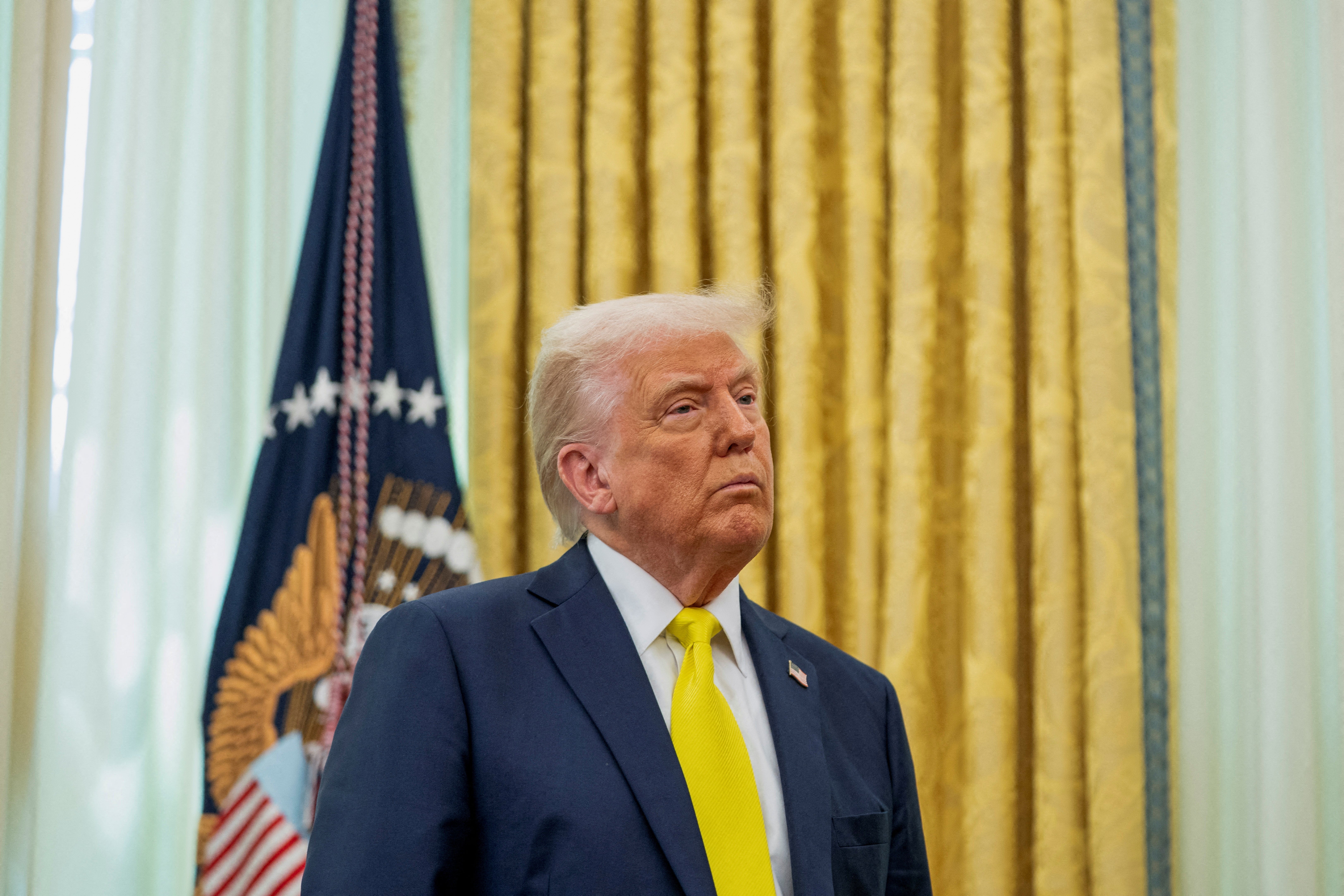
In a boost to Ms Reeves, the IMF upgraded Britain’s growth forecasts for 2028 and 2029 by 0.1 percentage points each.
Presenting its latest world economic outlook, the IMF said multiple waves of tariffs unleashed by the US against its training partners have “given rise to uncertainty that is once again testing the resilience of the global economy”.
“Uncertainty, especially that regarding trade policy, has surged to unprecedented levels,” it warned. And it said the uncertainty unleashed by Mr Trump’s policies comes “against an already cooling economic momentum”.
One reason for the deterioration in the UK’s growth forecast is the IMF’s decision to significantly upgrade its inflation expectations, with the forecast warning: “The United Kingdom and the United States stand out in both the direction and the magnitude of their revisions”. Higher inflation, especially high energy costs, are also dampening demand in the UK more than the rest of Europe.
This inflation will lead to weaker household spending, according to the IMF, which means lower economic growth.
Meanwhile, consumption is set to grow stronger in Germany due to rising wages, which will offset some downward effects of tariffs across the Euro zone.
Another reason the UK is set to fare worse than the rest of Europe is rising gilt yields, with the US president’s policies pushing Britain’s borrowing costs to the highest level since 1998.
Best for Britain, which campaigns for closer ties between Britain and the EU, said Labour’s plans for growth so far will not deliver anywhere near the scale and speed of growth that a major trade deal with Brussels could.
Chief executive Naomi Smith said: “Voters will judge this government on whether it achieves meaningful growth across the UK.
“In the context of such challenging global economic conditions, removing the barriers to trade for all industries must be the UK government’s overriding priority when they meet EU leaders next month.”
And Liberal Democrat leader Sir Ed Davey said: “Donald Trump’s damaging trade war has taken a wrecking ball to the global economy, with the UK set to be badly hit.
“The Government needs to be working to boost trade with our allies in Europe and the Commonwealth and tackle Trump’s tariffs head on.”
The Conservatives said the IMF’s report was a “worrying indictment of Labour’s economic approach”.
Shadow chancellor Mel Stride said Labour’s tax hikes last autumn had stunted economic growth and pushed up the cost of living for consumers.
He added: “This government inherited the fastest growing economy in the G7 and inflation was bang on target. Instead of building on that progress, Labour is taking Britain backwards with reckless spending, higher inflation and no credible plan for growth.”
By contrast, Europe is boosted by Germany’s decision to loosen its fiscal rules in order to boost defence spending in a bid to wean Europe off its dependence on the US for security.
Overall the UK’s growth forecast for 2025 is still higher than the Euro area; at 1.1 per cent compared to 0.8 per cent for 2025.
The IMF’s downgrade piles pressure on the chancellor ahead of her first meeting with Mr Bessent, with British negotiators trying to get a trade deal with the US over the line in a bid to avoid tariffs. The UK is still subject to the president’s baseline 10 per cent levy on all countries except China, and 25 per cent tariffs on steel and cars.
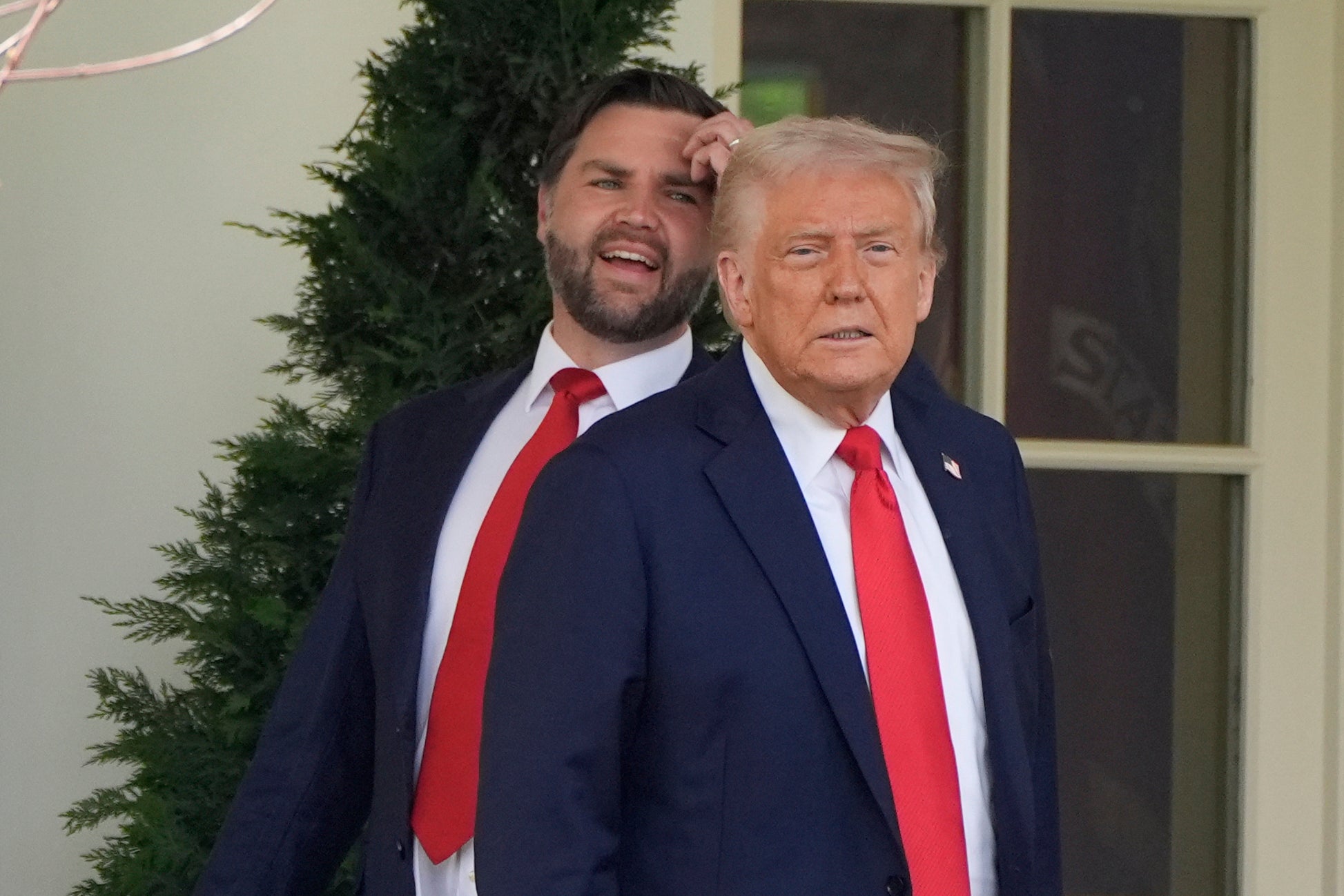
Vice president JD Vance last week raised hopes a deal is close, saying the US is “working very hard” to secure a “great” agreement with the UK.
But, ahead of her trip, her hopes of securing an exemption slimmed, with Mr Trump’s senior economic adviser Kevin Hassett suggesting the 10 per cent is a “baseline” which would require an “extraordinary deal” for the president to go below.
Mr Trump himself has said he is in “no rush” to negotiate exceptions to the tariff regime due to the revenues he claimed the charges were generating.
UK officials are now pinning their hopes on securing an exemption from the more severe levies on metals and cars.
Chaitanya Kumar, head of economic and environmental policy at the New Economics Foundation (NEF), called on the government for “fundamental reform” of fiscal policy in light of the IMF’s warnings.
“The Treasury and the Bank of England must work together to lower the cost of capital in critical sectors, accelerate clean investment, and build real economic resilience. The National Wealth Fund has a vital role to play in steering strategic investment and putting the UK back on a sustainable growth path, despite Trump’s tariffs,” she said.