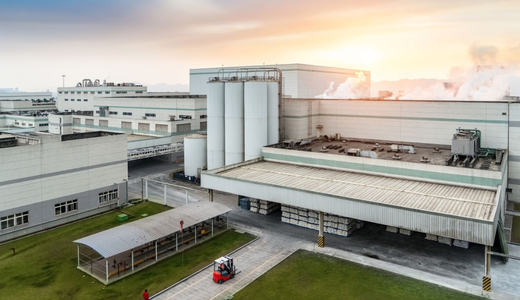

The surge in demand for industrial property in Malaysia is intensifying in 2026. As global supply chains realign and Malaysia strengthens its appeal through infrastructure upgrades, policy support and booming e‑commerce, the industrial real estate sector is becoming one of the most attractive investment classes in the country.
Whether you are an investor hunting for yield, a developer seeking demand, or a business looking for warehouse or factory space, now is a critical moment to pay attention.
This article explores the driving forces behind the industrial property boom, regional hotspots, implications for stakeholders, potential challenges, and practical advice for those considering entering this sector in 2026.
What Is Fueling The Boom In Industrial Property in Malaysia?
Industrial property in Malaysia is not booming by chance; the momentum is underpinned by a convergence of global and domestic factors that together create a strong foundation for growth.
-
Global Supply‑Chain Realignment: As companies seek to reduce reliance on a single manufacturing base, Malaysia’s stable business environment, competitive costs and strategic location in Southeast Asia make it attractive for multinational corporations (MNCs). Demand for factory space, warehouses, data centre‑ready sites and logistics infrastructure is rising sharply.
-
Rapid Growth in E‑commerce, Logistics and Cold‑Chain Demand: The e‑commerce boom continues across Malaysia and the region, driving demand for large warehouses, distribution hubs and last‑mile fulfilment centres. At the same time, there is increasing demand for temperature-controlled warehouses (cold chain), especially for pharmaceuticals, food & beverage and international logistics.
-
Data Centres and High‑Tech / Advanced Manufacturing Investments: Investment in data centres, electronics, electrical and advanced manufacturing is fueling demand for high‑specification industrial land and built-to-suit facilities.
-
Strong Infrastructure & Connectivity Development: Large infrastructure projects, including rail links, highway upgrades, port expansions and special economic zones, are enhancing connectivity. Improved access to ports, airports and major highways makes industrial land more viable and attractive.
-
Supportive Government Policies & Investment Flows: Significant foreign direct investment (FDI) into manufacturing, logistics and data centre sectors, supported by state and federal incentives, has created long‑term demand for industrial real estate.
These trends combine to create a robust, multi‑dimensional demand base, not just from traditional manufacturing, but also from logistics, e‑commerce fulfilment, data‑centre infrastructure, and advanced manufacturing.
Key 2026 Market Trends For Industrial Property in Malaysia

A working power plant
The shape of the industrial property market in Malaysia in 2026 is being defined by several important trends. These are influencing not only demand, but also what kinds of industrial properties are preferred, how investors and developers behave, and what occupiers look for.
1. Rise Of Built‑to‑Suit And Specialist Facilities
Generic warehouses and standard factory units are no longer sufficient for many occupiers. The market is shifting decisively towards built-to-suit (BTS) developments and specialist facilities. These are customised to tenant requirements, whether for high‑power manufacturing, data‑centre readiness, clean‑rooms, temperature-controlled cold chains or multi‑level logistics parks.
BTS developments tend to offer higher rental commitments, longer lease terms, and better tenant covenants, which makes them attractive to institutional investors and developers aiming for stable returns.
2. ESG (Environmental, Social, and Governance), Sustainability And Smart Industrial Parks
Industrial real estate is no longer just about power and floor space. Tenants, particularly multinational corporations, increasingly demand environmentally responsible, energy-efficient, and technology-integrated facilities. Features in demand now include solar-ready rooftops, EV‑charging infrastructure, water conservation design, energy-efficient lighting and smart building systems.
With rising global pressure on sustainability and green credentials, developers who provide ESG-compliant properties are likely to command a premium and attract long-term, high-quality tenants.
3. Tight Supply, Rising Rents And Increasing Capital Values
Recent market data indicates continued strength in the industrial property sector. In the first half of 2025, transaction values remained robust, supported by a notable surge in warehousing demand.
In key markets such as Klang Valley (Selangor, Klang, Shah Alam), vacancy rates for Grade A warehouses dropped from 3.9% in Q1 to 2.0% in Q2 2025.
This tightening supply, along with rising demand from e‑commerce, logistics, data centres and manufacturing, is pushing both rental rates and capital values upward.
4. Diversified Demand: Manufacturing, E‑commerce, Data Centres, Logistics
The demand base for industrial property in Malaysia is varied. Key demand drivers include:
-
Electrical & Electronics (E&E) manufacturing and advanced manufacturing.
-
E‑commerce fulfilment and third‑party logistics (3PL) providers require large, well‑connected warehouses.
-
Cold‑chain warehousing for food, pharmaceuticals and temperature‑sensitive goods.
-
Data centres and cloud infrastructure, driven by global demand for digital storage and computing, AI, and increased digitalisation across industries.
This diversified demand makes the industrial property sector more resilient, unlike segments tied tightly to one sector; downturns in one area (e.g. manufacturing) may be offset by growth in another (e.g. e‑commerce or data centres).
Regional Hotspots And Growth Corridors

Two engineers (a male and a female) working on a project together
While demand for an industrial property in Malaysia is rising country‑wide, several regions stand out due to strategic advantages, infrastructure, and investment inflows.
1. Klang Valley (Klang, Shah Alam, Port Klang, Kuala Lumpur)
Klang Valley remains Malaysia’s leading industrial hub, thanks to its strategic location near major ports, airports, and urban centres. In 2024-2025, Selangor accounted for roughly 33.3% of total industrial property transactions, with Klang and Shah Alam leading demand for warehousing and logistics.
Large-scale completions of modern industrial facilities, often spanning multi-million sq ft in Shah Alam, Klang, and surrounding areas, continue to support growing e-commerce and logistics needs. With land supply tightening in prime zones, fringe areas, and satellite corridors around Kuala Lumpur are also attracting increasing interest from investors and businesses.
Discover prime industrial zones and strategic investment opportunities across Klang, Shah Alam, Port Klang, and Kuala Lumpur:
2. Johor (Kulai, Senai, Pasir Gudang, Tanjung Pelepas, Iskandar Region)
Johor is rapidly emerging as a major industrial destination, driven by new investments in logistics, data centres, and manufacturing. The creation of the Johor–Singapore Special Economic Zone (JS‑SEZ) has strengthened cross-border trade and manufacturing spillover from Singapore, increasing investor interest in industrial land across the state.
Key areas such as Kulai, Senai, Pasir Gudang, Tanjung Pelepas, and the broader Iskandar Region are particularly attractive. These zones offer strategic access to ports, highways, and urban infrastructure, making them ideal for logistics hubs, manufacturing facilities, and data-centre developments.
Explore industrial properties such as warehouses, factories, and industrial land across Johor’s top industrial corridors:
3. Penang (Batu Kawan, Northern Corridors)
Penang, including the Batu Kawan area and the broader northern corridors such as Seberang Perai, remains a crucial hub for manufacturing, particularly in the electronics and electrical (E&E) industries. There is sustained demand for clean-room factories and high-utility industrial land to support advanced manufacturing processes.
With Penang’s well-established electronics base and growing investments in high-tech manufacturing and clean-room compatible facilities, the region continues to be a reliable hotspot for industrial property development.
Explore industrial properties across Penang’s prime industrial zones:
4. Emerging Areas: East Malaysia & Green‑Tech Zones
Beyond traditional hubs, there is growing interest in industrial zones in Sabah and Sarawak, especially for green‑technology parks, data‑centre readiness and resource‑driven manufacturing.
This reflects a more diversified industrial strategy by the Government and investors alike, spreading growth beyond the main peninsula and reducing concentration risks.
Key Insights for Investors, Developers, and Occupiers in Industrial Property in Malaysia

Business people shaking hands together
The evolving landscape of industrial property in Malaysia presents distinct opportunities and strategic considerations for different stakeholders.
1. Investors: Industrial Real Estate As A Defensive, Yield‑Generating Asset
-
Stable Demand & Long Leases: With diversified tenants, from e‑commerce and logistics to manufacturing and data centres, demand remains robust even in uncertain economic times. Long‑term leases and built-to-suit contracts further enhance stability.
-
Rising Rents & Capital Appreciation: Tight supply plus high demand is pushing up rents and capital values. Vacancies for Grade A warehousing are shrinking, making well-located assets more valuable.
-
Yield Potential: In prime zones, gross yields remain attractive relative to risk, especially compared with other asset classes such as residential or office real estate.
-
Portfolio Diversification: Given the broad demand base across manufacturing, logistics, data centres, cold‑chain, and industrial real estate offers a hedge against sector-specific downturns.
2. Developers / Landowners: Opportunity In High‑Spec, Customisable Projects
-
Shift To BTS And Custom Projects: Generic industrial stock is less in demand; developers who offer shell‑and‑core or built-to-suit units with modern amenities, high-power infrastructure, and flexible fit-outs stand to benefit.
-
Value in ESG‑Ready, Smart Facilities: Properties designed with energy efficiency, sustainability and modern infrastructure (power resiliency, data connectivity) are increasingly preferred by Multinational Corporations (MNCs) and institutional tenants. Such properties may attract premium rents and longer leases.
-
Landbank Appreciation: Land parcels in growth corridors, especially around emerging industrial zones or Special Economic Zones (SEZs), may appreciate significantly as demand grows, making them valuable long-term assets.
3. Occupiers (Manufacturers, E‑commerce, Logistics, Data Centres): What To Look For
-
Location & Connectivity: Proximity to ports, airports, major highways or rail links is vital, especially for logistics, export-oriented manufacturing and supply‑chain efficiency.
-
Infrastructure Readiness: Evaluate power capacity, utilities, data connectivity, floor plan suitability (for warehouses or clean‑rooms), and flexibility for future expansion or customisation.
-
Sustainability & ESG Compliance: For MNCs, environmental standards are often mandatory. Facilities with energy‑efficient design, water management, EV‑charging, solar readiness or green building credentials may be preferred.
-
Lease Terms & Flexibility: Given the dynamic market, opt for lease terms (length, escalation, fit‑out flexibility) that balance commitment and adaptability.
The industrial property sector in Malaysia in 2026 offers strong opportunities for investors, developers, and occupiers alike. Strategic choices in location, asset quality, and tenant mix will be key to maximising returns and long-term value.
Risks And Challenges To Watch Out For In Industrial Property in Malaysia
No market boom is without its risks. While industrial property in Malaysia appears robust, potential challenges remain.
-
Rising Construction And Operating Costs: As demand shifts to high-spec, ESG‑ready buildings, construction costs (materials, compliance, certification) and operating costs (energy, maintenance) may rise. Older generic facilities may become obsolete or less competitive.
-
Oversupply Risk In Secondary Areas: If too many new developments are built in fringe areas without enough tenant demand, such as speculative build-to-lease warehouses, it can lead to oversupply and higher vacancy rates, particularly for older or lower-quality properties.
-
Regulatory, Approval and Infrastructure Delays: Industrial developments often require approvals, adequate infrastructure (roads, utilities, power), and timely government support. Delays or bottlenecks could affect project viability or demand realisation.
-
Shifts in Global Economic Conditions: Global supply‑chain disruptions, trade tensions, currency fluctuations or changes in global demand could impact the manufacturing and export‑oriented demand that drives industrial real estate.
-
Tenant Risk and Lease‑Term Uncertainty: For built-to-suit or data centre tenants, long-term viability, regulatory compliance (especially for data centres), and operational costs (e.g. energy, carbon tax compliance) may pose risks.
Despite the growth opportunities, industrial property in Malaysia comes with inherent risks that require careful assessment. Understanding cost pressures, supply dynamics, regulatory hurdles, and tenant stability is key to making informed investment and development decisions.
Practical Advice: What To Do If You Are Considering Industrial Property in Malaysia?
If you are evaluating industrial real estate in Malaysia, as an investor, developer, or occupier, here are practical steps and considerations to guide your decision.
Checklist When Evaluating Industrial Property in Malaysia
|
Criterion |
What to Look For |
|
Location & Connectivity |
Proximity to ports, airports, major highways or rail corridors; access roads; labour catchment area |
|
Infrastructure Readiness |
Adequate power load, utilities (water, waste), data connectivity, potential for expansion or customisation |
|
Building Specifications |
For warehouses: clear‑span floor plan, ceiling height, loading bays; for factories/data centres: power capacity, clean‑room potential, cooling/ventilation, ESG standards |
|
Zoning & Approvals |
Industrial or commercial zoning, environmental/compliance clearances, permit readiness, ease of regulatory approvals |
|
Lease / Investment Terms |
Lease length, tenant covenant strength, escalation clauses, fit‑out flexibility, and exit options |
|
ESG & Sustainability |
Energy efficiency, green building design, renewable energy readiness, EV infrastructure, and compliance with environmental regulations |
|
Tenant Diversity / Demand Base |
E‑commerce, logistics, manufacturing, data centre, and diversification reduce risk and increase resilience |
Suggestions for Action
-
If you are an investor: Focus on core industrial hubs (Klang Valley, Johor, Penang) and consider built-to-suit or well‑specified modern warehouses or factories to attract long-term, high-quality tenants.
-
If you are a developer or landowner: Prioritise flexibility, offer shell‑and‑core or BTS-ready units, with infrastructure and services to meet data centre, logistics or advanced manufacturing needs. Think ESG, future-proofing and customisation.
-
If you are an occupier (business setting up operations), select sites with good connectivity, infrastructure readiness, and flexibility for expansion. Evaluate the total cost of occupancy, including utilities, compliance, fit-out, and long-term operational readiness.
-
Perform due diligence: Verify zoning, approvals, infrastructure capacity, and future development plans nearby which may affect traffic, utilities or land value.
For those considering industrial property in Malaysia, it is important to follow practical guidance while keeping the sector’s long-term trends and opportunities in mind.
The Long-Term Outlook For Industrial Real Estate In Malaysia
Industrial property in Malaysia in 2026 stands at a promising junction. Fueled by global supply‑chain shifts, rising demand from e‑commerce, logistics, manufacturing and data centres, and supported by improving infrastructure and policy incentives, the sector is evolving into a strategic, high‑value asset class.
For investors, the combination of yield potential, diversification and long-term demand makes industrial real estate a compelling choice. Developers who adapt by providing flexible, high‑spec, ESG‑ready facilities are likely to command premiums. Occupiers benefit from modern infrastructure, good connectivity and tailored solutions.
Of course, risks, from cost inflation to oversupply in secondary zones, remain. But with careful selection, due diligence and strategic positioning, industrial real estate in Malaysia offers a compelling long‑term value proposition.
In sum, 2026 may well mark the start of a sustained upcycle for industrial property in Malaysia, one where quality, adaptability and vision will separate winners from the rest.
Explore a wide range of factories across Malaysia, ideal for manufacturing, production, or investment purposes. Discover Factories for Sale on PropertyGuru Malaysia.