
Fewer Fiscal and Monetary Surprises Ahead
One of the most important developments for markets is the gradual improvement in the U.S. fiscal picture. While deficits remain elevated, they are shrinking as a percentage of GDP from the historic highs reached during the COVID period. This fiscal stabilization is helping anchor longer-term interest rates and reduce tail risks.
At the same time, Treasury Secretary Scott Bessent has articulated a new Federal Reserve philosophy that is less activist and more restrained. His comments suggest that the upcoming Fed Chair appointment process in May should be smooth, alleviating fears of institutional disruption or politicized monetary policy.
On rates, Bessent’s characterization of current interest levels as “normal” is telling. Markets should not expect aggressive or destabilizing short-term rate cuts in 2026. Instead, the outlook points to steady policy, modest adjustments, and fewer shocks—another contributor to improved visibility.
AI Bubble Has Popped, Creating Good Setup
After a sharp selloff in selected AI-related stocks late last year, the AI trade looks more attractive today than it did at the “nosebleed” levels seen in October. Importantly, the correction has occurred even as underlying demand for compute, tokens and productivity gains remain strong.
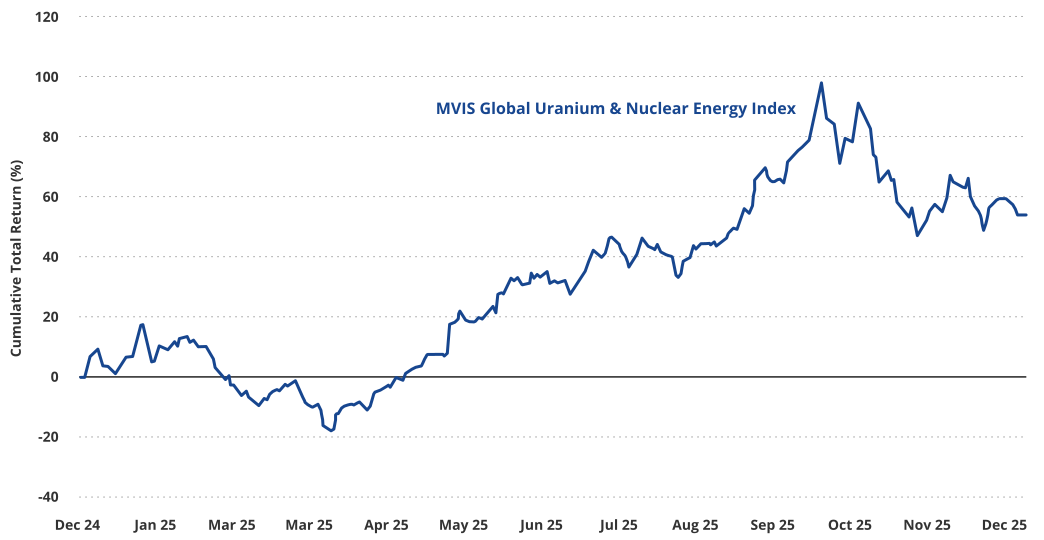
Adjacent themes, such as nuclear power tied to AI-driven electricity demand, have also repriced meaningfully. In our view, this reset improves the risk-reward profile for investors with a medium-term horizon.
Nuclear Stocks Corrected in Q4