
3. A handful of countries received the majority of emerging market investment
Within LMICs, the investment picture is still uneven. Nearly 90 percent of LMIC-bound flows went to just five countries: China, India, Mexico, Thailand, and Türkiye.
The data suggests that circular economy investment is not yet scaling broadly across emerging markets, and it is clustering in countries with stronger industrial ecosystems, larger domestic markets, and more mature policy frameworks.
The concentration becomes even more apparent when looking at regional investment patterns.
4. Africa has yet to attract investment at scale
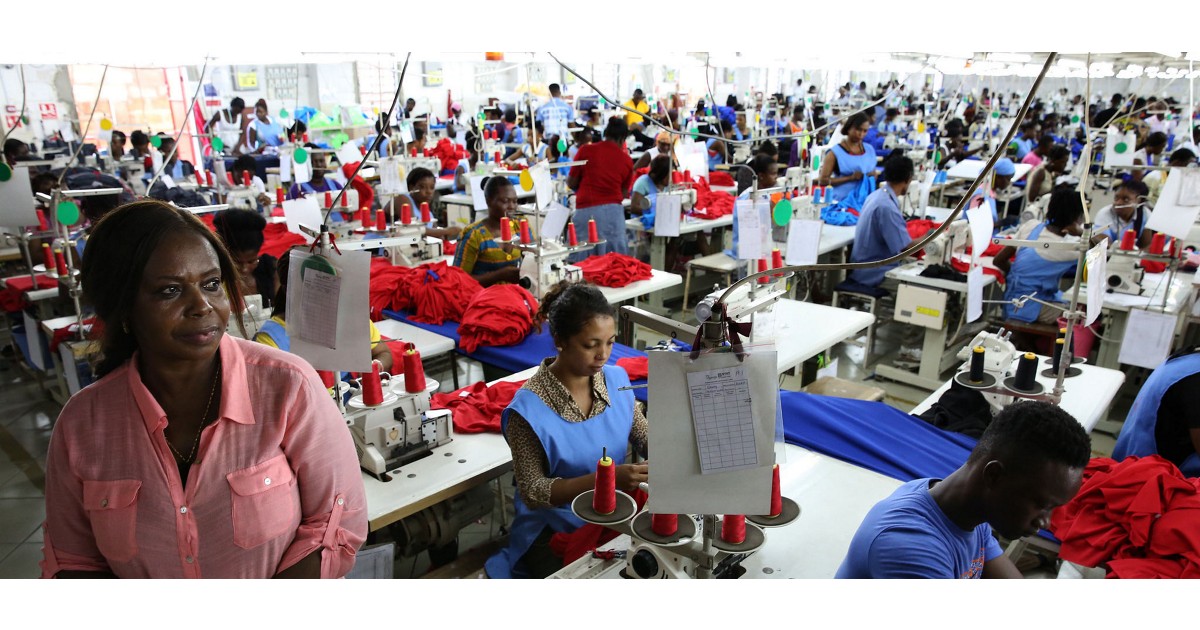
Despite examples like the reusable glass bottle model in Tanzania, Africa has yet to attract circular economy investment at scale. Africa captured a mere 0.2 percent of tracked investment. And the deals that did happen were small: 60 of the 89 transactions were $1 million or below.
Some of this reflects structural realities. Unlike the top LMIC recipients, which tended to have large manufacturing bases, Africa accounts for just 2 percent of world manufacturing value added. Institutional factors, including the strength of property rights protections and contract enforcement frameworks, also vary across the region and may influence the risk perception for investors.
5. Scaling investment will require bigger, more investable opportunities
Globally, 75 percent of CEIT transactions were $10 million or below. While smaller deals can drive meaningful impact, they often fall below the thresholds that institutional investors require to invest.
This creates a structural mismatch: there is appetite for circular economy investment in principle, but the deal sizes, risk profiles, and lack of standardized definitions make it difficult to mobilize capital at scale. Without aggregation mechanisms, blended finance structures, and clearer market standards, the circular economy will remain underfinanced in the places that need it most.
Why data matters
The findings point to a central challenge for the circular economy: capital is available, but it is not flowing evenly. While investment is beginning to scale in some markets, large parts of the developing world remain largely excluded from these flows.
Closing that gap will require more than financing. Investors need clearer definitions, stronger pipelines of investable opportunities, and better information about where circular economy markets are emerging.
The CEIT is one tool to help address that challenge. By showing where capital is—and isn’t—flowing, it provides policymakers, investors, and development institutions with a clearer picture of the market and the barriers that continue to constrain its growth.