Set Trending Topics as a preferred source on Google.
Now the EU Inc’s biggest fans are pulling the emergency brake: Startups for Europe, the Brussels-based umbrella group of Europe’s national start-up associations, and the EU-INC initiative have asked Ursula von der Leyen, the president of the European Commission, to withdraw the proposal for a European start-up company form and submit it again. The move is backed by AustrianStartups, a founding member of Startups for Europe whose chief executive, Hannah Wundsam, sits on the umbrella group’s board. A withdrawal, they argue, would keep the EU Inc from being adopted in a version that no longer serves its purpose.
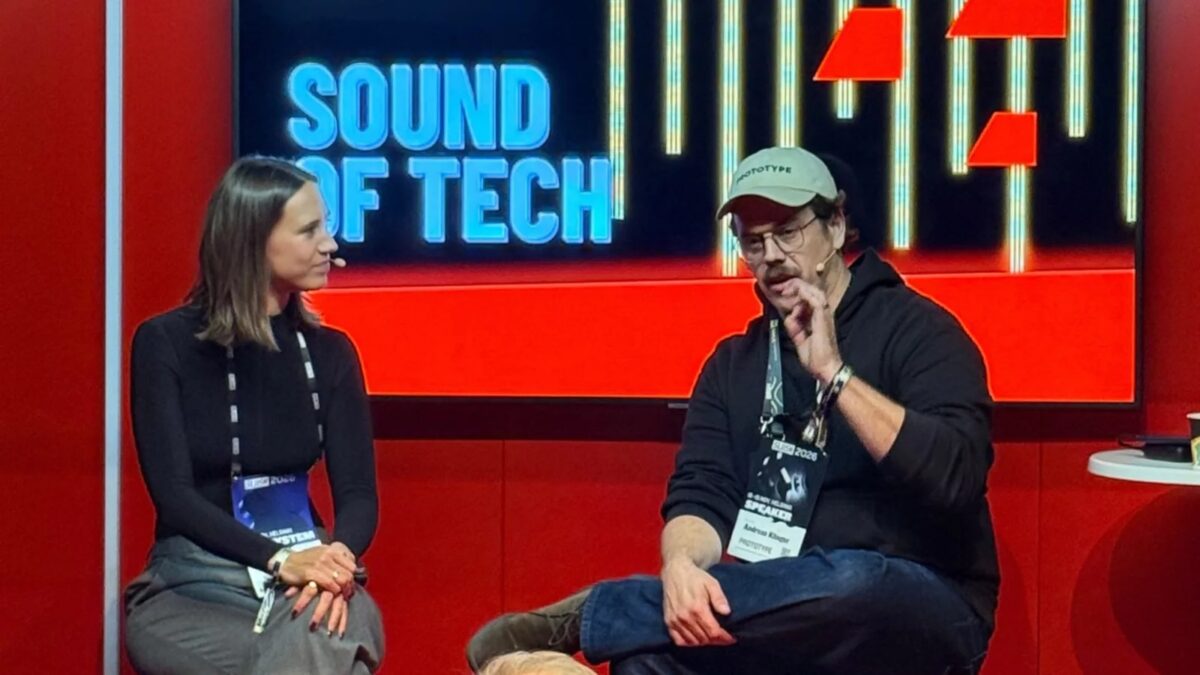
For the initiative led by the Austrian investor Andreas Klinger, it is a reversal. Until now, EU-INC, backed by more than 26,000 people, had pushed for fixes in the ongoing negotiations, most recently in an open letter titled “Europe is killing the EU Inc.” Just days ago, Ann Mettler, a board member of the European Innovation Council, and three law professors called for a withdrawal.
“The Commission’s proposal from March isn’t everything we fought for, but it works,” Ms. Wundsam said. “It would let founders choose their registered office freely, operate across the E.U., give their team equity across borders and incorporate online. We could have built on that.”
What Is Left of the Proposal
E.U. member states have been negotiating the proposal in the Council of the European Union since March and agreed on their common position in October. According to Startups for Europe, that position weakens or deletes the core parts:
- Free choice of registered office: Banks, registries and authorities may treat an EU Inc differently. Authorities in a country where a company operates can also challenge where it is registered if they have “serious doubts.”
- Employee equity: Companies with 750 or more employees or 150 million euros in revenue can no longer grant new staff equity under the European model. The guarantee that an EU Inc’s employee equity will not be taxed less favorably than national schemes has been dropped.
- Digital incorporation: Founding a company by digital power of attorney is no longer possible, and the central E.U. registry is gone. Digital procedures would come in July 2028 at the earliest.
- Insolvency: The simple digital wind-down procedure has been deleted, and national law applies again.
Too Much for the Trilogue
The changes are so extensive that they can hardly be reversed in the final negotiations among Parliament, the Council and the Commission, the start-up advocates argue. According to a legal analysis by EU-INC, 16 points would have to be restored to the Commission’s version, 12 of them essential. These so-called trilogue talks usually settle only a few open issues. The result would be an EU Inc that largely reflects the member states’ position and that hardly anyone would use. A European company form will only catch on if it is clearly better than the national ones.
A withdrawal would give the Commission time to renegotiate with member states and Parliament. There is room for compromise, they say, as long as the basic principle holds: Incorporate once, use it everywhere. “In its current form, European start-ups will keep incorporating in Delaware. A withdrawal sounds drastic, but it is the only way for the Commission to gain time to fight for its original proposal,” Ms. Wundsam said.
She also passed the ball back to Vienna: “The changes come from the member states, and their positions are set in the capitals, including in Vienna.” AustrianStartups plans to seek talks with Parliament and the Austrian government again so that the next text restores what was good about the Commission’s proposal.
Those Who Would Rather Keep Negotiating
Not everyone wants a fresh start. The Council agreement was “an important step on the way to the EU Inc.,” Christoph J. Stresing, the managing director of Germany’s Startup Association, said in a statement in October. He said it gave hope that notary-free share transfers and the employee equity rules had survived. The association also sees weaknesses: Limiting the E.U. employee equity scheme to smaller companies runs counter to the idea of the EU Inc, it argues, because successful scale-ups cross the thresholds quickly and lose the advantage just when they need it most.
Still, the association is pinning its hopes on the trilogue, where it wants the Commission’s level of ambition defended. It calls the Commission’s proposal a “minimum viable product” and warns that any further restriction would create a company form that is useless in practice. Leaving labor law and worker participation to member states, as the Commission proposes, is a defensible approach, the association says, and it opposes new requirements in the trilogue. It wants Parliament to set its position quickly so that negotiations can wrap up this year.
The Irish Council presidency celebrated the agreement as a success, with Prime Minister Micheál Martin saying it would make “a real difference” for start-ups and small businesses. And Stéphane Séjourné, the E.U.’s industry commissioner, had only urged member states not to weaken the proposal any further. Pressure is also coming from the opposite direction: The European Trade Union Confederation wants the process halted until workers’ rights are adequately protected.
A withdrawal would also send the legislative process back to the starting line. Parliament shows how far there is still to go anyway: The vote in the responsible legal affairs committee has already collapsed several times over disputes about worker participation, and without Parliament’s position, the trilogue cannot start.