Britain and India have struck a landmark free trade deal that will slash tariffs with the world’s fifth largest economy and ultimately boost growth by up to £5 billion a year.
The agreement, which is the biggest trade deal signed since Brexit, will see Indian taxes on British exports such as whisky and cars fall by up to 90 per cent.
In return the UK has made key concessions to Delhi including an exemption from national insurance payments for Indian workers in Britain.
Narendra Modi, the prime minister of India, described the deal as a “historic milestone”, adding: “India and the UK have successfully concluded an ambitious and mutually beneficial free trade agreement. These landmark agreements will further deepen our comprehensive strategic partnership, and catalyse trade, investment, growth, job creation, and innovation in both our economies.”
Sir Keir Starmer said the deal would “grow the economy and deliver for British people and business”.
Ministers insist that the agreement will not lead to an increase in visas from India to the UK but said businesses would benefit from a clearer and simplified approval process. The UK will also scrap tariffs on Indian textile imports — another key demand of Delhi — which the government claimed would reduce prices for UK consumers.

This sari factory in Rajasthan will be among the beneficiaries
ERIC LAFFORGUE/ART IN ALL OF US/CORBIS/GETTY IMAGES
Overall the government said there would be reductions on 90 per cent of goods that are subject to Indian tariffs at present — and that 85 per cent of these would become tariff-free within a decade.
Ministers said the deal would increase trade between the two countries by almost 50 per cent and boost GDP by £4.8 billion within 15 years and increase wages by £2.2 billion.
They said India had agreed to cut tariffs worth more than £400 million when the deal comes into force, which will more than double to about £900 million after ten years.
Whisky and gin tariffs will be halved from 150 per cent to 75 per cent before reducing to 40 per by year ten of the deal.

Automotive tariffs will fall from more than 100 per cent to 10 per cent under a new quota system while taxes will also be cut on exports of medical devices, aeroplane plants and machinery.
Government sources said the deal would open up India’s notoriously protectionist market and represented the biggest trade deal the country had ever agreed.
It will also liberalise customs procedures and rules of origin, allowing goods assembled in the UK to benefit from lower rates of tax. It added that it would also give UK service firms greater access to Indian markets including some government procurement.
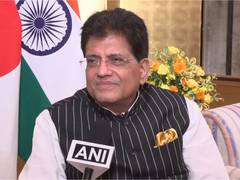
The agreement follows intensive negotiations between Jonathan Reynolds, the business secretary, and Piyush Goyal, India’s trade minister, last week. It was signed off during a call between Starmer and Modi on Tuesday.

Sir Keir Starmer and Narendra Modi at the G20 in Rio de Janeiro last year
HEMANT JOSHI/ALAMY
Both sides had prioritised getting a deal over the line in the wake of President Trump’s “liberation day” tariffs that imposed 26 per cent taxes on Indian exports to the US and 10 per cent on the UK.
• Trump to announce pharmaceutical tariffs ‘in next two weeks’
Ministers hope that the deal will offset some of the economic damage done by Trump’s trade war that economists have warned could wipe out UK economic growth next year.
It is likely to be followed by the announcement of an enhanced trading relationship with the EU this month, which will end most checks on UK agricultural exports.
Ministers are also hopeful of getting a more limited trade deal with the US over the line, which would reduce the impact of some of Trump’s tariffs on the UK.
Starmer said the India agreement would reduce trade barriers and create a “more secure economy” while Reynolds said the new trading relationship with India would deliver “billions for the UK economy” in higher wages and lower prices for consumers.
“In times of global uncertainty, a pragmatic approach to global trade that provides businesses and consumers with stability is more important than ever,” he said.
Mark Kent, chief executive of the Scotch Whisky Association, said the deal would be “transformational”.
He added: “The UK-India free trade agreement is a once-in-a-generation deal and a landmark moment for Scotch Whisky exports to the world’s largest whisky market. It will be a big boost to two major global economies during turbulent times.”
Negotiations on the deal first began in January 2022 with Boris Johnson, then prime minister, declaring that an agreement should be reached by the following autumn.
However, progress was slow amid disagreements over India’s reluctance to significantly reduce tariffs on key UK exports such as food, cars and whisky that can be as high as 150 per cent at present.
The Indian side was also frustrated by the UK’s failure to agree that Indian workers seconded to the UK on business visas should not pay national insurance as they were not eligible for UK pensions or social security benefits.
When Rishi Sunak became prime minister he attempted to push the talks to a conclusion but key issues had still not been resolved at the time of the election in July.
Before the election Reynolds, then the shadow business and trade secretary, visited Delhi and spoke to his opposite number in charge of the trade talks.
At the time Tories claimed that Delhi was keen to wait for a Labour government in the hope of getting a more favourable deal, particularly around migration.
India was also looking for a binding commitment that Indian students would be allowed to stay in the UK for two years after they have graduated, something which was politically difficult for Sunak to accept.