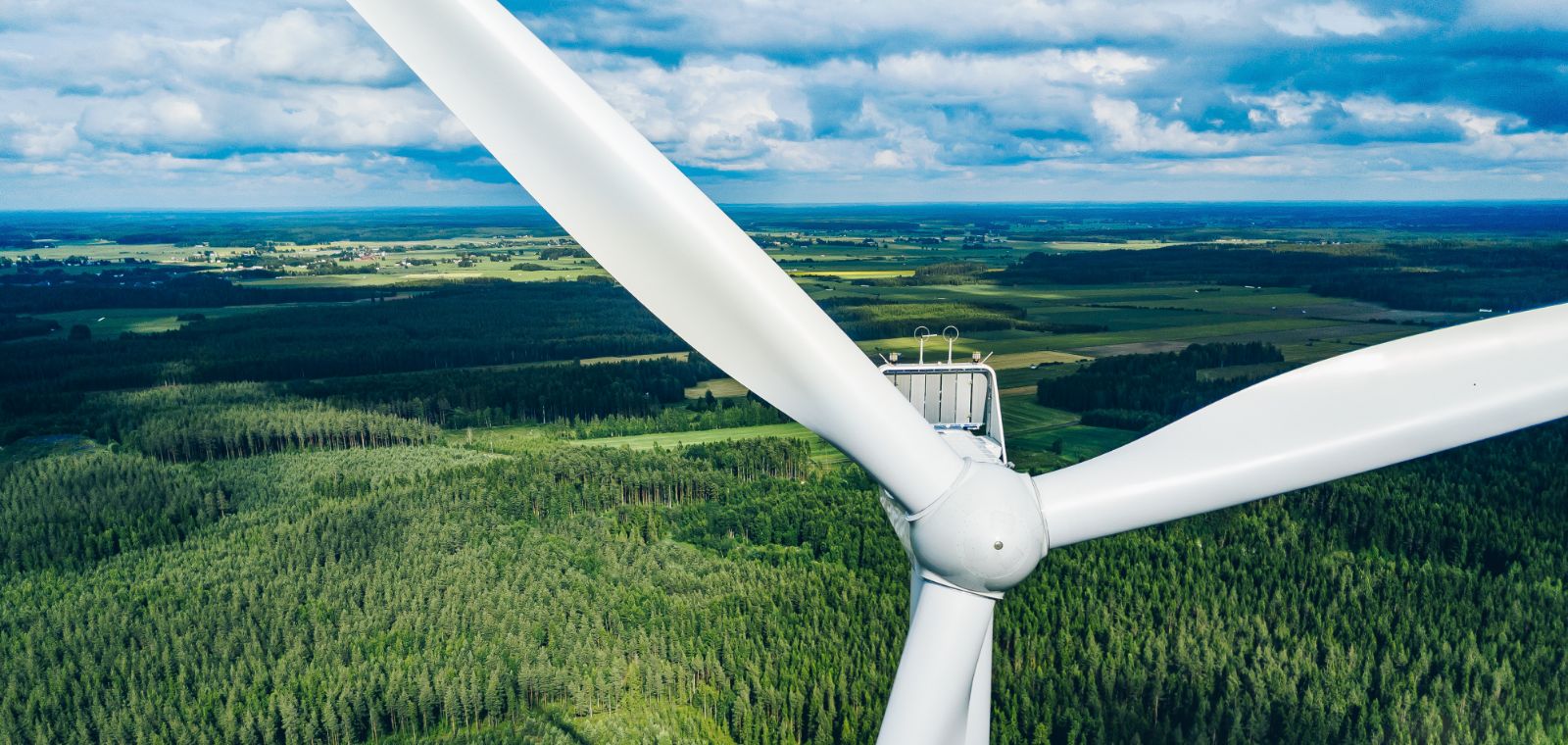

Lower construction and operating costs are accelerating deployment without relying solely on subsidies, making Chinese manufacturers especially appealing. Solar and wind account for most projected electricity capacity additions in EM countries through 2050, according to the IEA.
Investing in China’s Energy Transition
China’s role in the energy transition story deserves attention from investors. In our view, energy-transition leaders often sit at the intersection of structural growth potential and improving profitability. Companies tied to grid infrastructure, power electronics, industrial upgrading and clean-energy supply chains could benefit as China pursues energy security, technological leadership and decarbonization simultaneously.
But structural growth doesn’t guarantee profits. In fact, the low costs that have cemented its global leadership position have squeezed profitability for China’s renewable manufacturers. Years of rapid capacity expansion in solar panels and batteries have pushed supply well ahead of demand—a dynamic known in China as “involution.” The result: falling prices, intense competition and thinner margins, even as demand for renewables grows.
In these conditions, we believe some of the more compelling investment opportunities may lie further upstream. Materials producers benefit from the build-out without necessarily facing acute overcapacity. Where supply is limited by geology, permitting, processing capacity or long development timelines, producers may keep pricing power even as equipment-makers struggle. In other words, part of the opportunity may shift from the companies making renewable equipment to those supplying what goes into it.
In our view, investors should search across a broader ecosystem of suppliers, component makers and infrastructure providers to identify companies trading at discounts relative to their long-term earnings potential. Even within manufacturing, some Chinese companies have been able to scale renewables to increase volume while shoring up margins. And in traditionally “dirty” Chinese industries—such as aluminum or copper manufacturing and mining—select companies are shifting toward renewables to improve both their environmental and cost profiles.
For fixed-income investors, the build-out of grids and electrification infrastructure to connect renewable power to regional demand also creates an array of financing opportunities. Selectivity remains critical as policy, overcapacity and geopolitical risks continue to evolve.
Finding Durable Return Streams
To be sure, China’s ambitions face obstacles. Grid and storage investment must keep pace with renewable deployment for new capacity to displace fossil fuels, while government demand for baseload energy and reserve capacity could prolong reliance on coal. For clean-technology manufacturers, trade barriers could further pressure profitability—a reminder that leadership in deployment doesn’t automatically translate into attractive investment returns.
Just as Beijing’s haze has largely lifted in recent years, China’s energy transition is bringing new investment opportunities into sharper focus. By searching for capital discipline, technological advantages and differentiated business models, we believe investors can identify companies positioned to turn China’s green surprise into durable return streams.