Global experts discuss shifts in capital allocation, strategies across asset classes
Faisal Al-Hamad
• Navigating an increasingly interconnected economic and geopolitical landscape requires greater flexibility and adaptability in investment strategies
• Evolving global market dynamics are prompting investors to reassess traditional asset allocation models and portfolio construction strategies
• Long-term investment success will increasingly depend on balancing growth opportunities with disciplined risk management
• NBK Wealth remains committed to connecting clients with world-class investment expertise and opportunities across global markets
• Our strategic international partnerships strengthen our ability to deliver innovative, tailored investment solutions that address clients’ evolving needs
• Structural shifts in global markets are prompting investors to reconsider traditional asset allocation strategies
KUWAIT: Against one of the most complex global investment landscapes in recent years, NBK Wealth brought together a distinguished group of leading international investors and strategists at NBK Wealth Insights 2026, its annual investment forum. Discussions centered on a fundamental question facing investment institutions and investors worldwide: Where will capital flow next?
For decades, investors have relied on the traditional balance between equities and bonds. However, the combination of elevated interest rates, persistent inflation and geopolitical volatility has reshaped the investment landscape, prompting investors to increasingly turn to alternative investments and private assets in pursuit of greater diversification and new sources of returns.
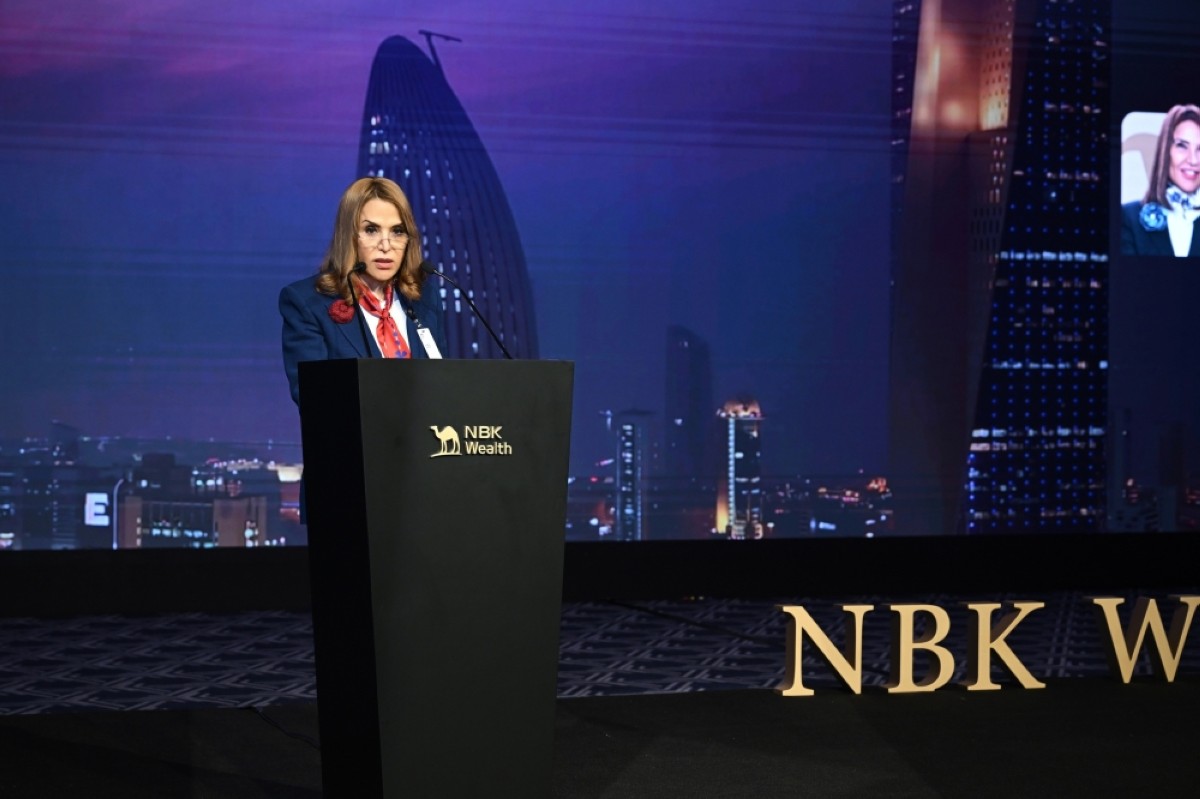
In her opening remarks, Shaikha Al-Bahar, Deputy Group CEO of National Bank of Kuwait (NBK), emphasized that the rapid pace of global economic change calls for more flexible investment perspectives and greater adaptability to evolving conditions. She also highlighted the importance of access to global expertise and specialized insights in making more effective and sustainable investment decisions.
Among the prominent international decision-makers and investment experts participating in the forum were John Bilton and Dana Haimoff of JP Morgan Asset Management, Mike Gontar of InterVest Capital Partners, and Andrew Pettit of Revcap. Participants exchanged insights on global economic developments and investment trends expected to shape financial markets in the years ahead.
The complex interplay between inflation, interest rates, energy markets and geopolitical tensions was a central focus of the forum. During the session titled “Macro Outlook and Multi-Asset Positioning,” John Bilton of JP Morgan Asset Management examined how these factors are increasingly moving in tandem, prompting investors to reassess traditional asset allocation approaches and build portfolios capable of adapting to different economic scenarios.
The forum also highlighted one of the most significant shifts taking place in global markets: the narrowing divide between public and private markets. During the session titled “Public and Private Assets Convergence,” Dana Haimoff of J P Morgan Asset Management discussed how private investments are becoming an increasingly important component of wealth management strategies, supported by the evolution of investment structures and tools that have enabled a broader range of investors to access this asset class.
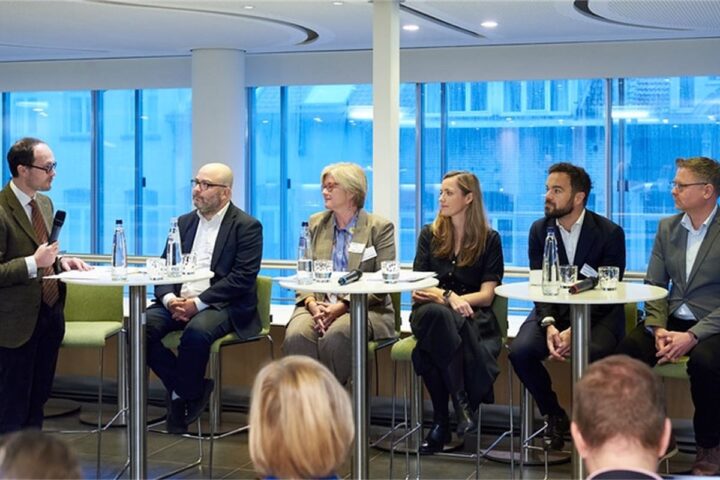
The main panel discussion, titled “Where the Next Dollar Goes,” explored some of the most pressing questions facing investors today, including the trade-off between maintaining liquidity and committing capital to long-term investments, the pricing of risk in private markets, and the trends shaping global capital flows.
Speakers agreed that the current investment environment calls for greater selectivity and discipline, emphasizing asset quality and the ability to generate sustainable long-term returns rather than relying on short-term gains. In his closing remarks, Faisal Al-Hamad, Group CEO of NBK Wealth, emphasized that the current investment landscape is distinguished by a rapid transformation in the nature of investment opportunities themselves. He noted that investors increasingly need a balanced approach that combines exposure to growth opportunities in public markets with carefully considered allocations to private investments.
Al-Hamad added that NBK Wealth continues to leverage its global expertise and strategic partnerships to provide clients with sophisticated investment insights and integrated solutions, helping them build more diversified and resilient portfolios aligned with evolving global economic conditions and their long-term objectives. According to Al-Hamad, the discussions underscored that the future of investing will not depend on selecting a single asset class, but rather on the ability to combine multiple sources of returns while managing risks effectively in an increasingly complex and uncertain world.
Highlighting the importance of international collaboration, Al-Hamad reaffirmed NBK Wealth’s commitment to connecting clients with leading global investment expertise and opportunities through strategic partnerships with prominent international financial institutions. As global markets become increasingly complex, specialized investment insights and long-term planning are becoming even more essential. He added that the forum provided a platform for dialogue and knowledge exchange on the key trends expected to drive global capital flows in the coming years, helping clients make more informed and adaptable investment decisions amid rapidly changing market conditions.
NBK Wealth is a key pillar of NBK Group and one of the leading wealth management groups in the Middle East, with personal financial assets exceeding US$ 48.7 billion as of the end of the third quarter of 2026. It has a broad geographic presence across nine cities in five countries, offering a comprehensive range of services, including private banking, financial planning, asset management and advisory services.