
The private capital market is constantly evolving, and venture capital is undergoing an especially significant shift as the industry faces into the pressures impacting private equity GPs.
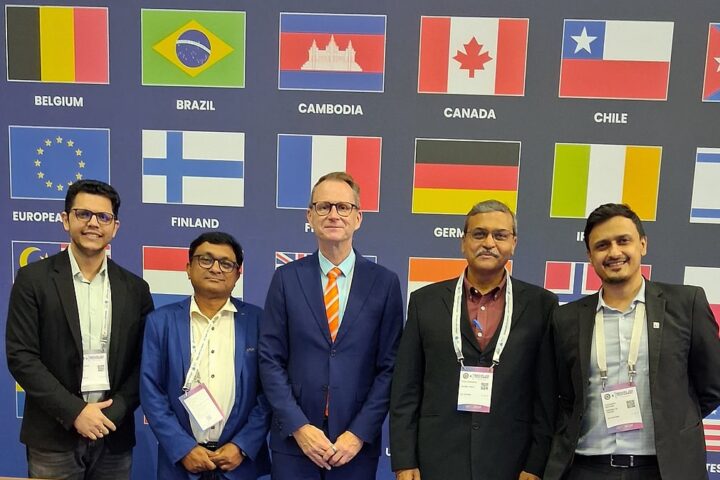
Over the past few months, we have been at industry events (such as SuperReturn Venture, Berlin and co-hosting a session with Crafty Counsel on the fundraising dynamics in venture capital and private equity funds), talking to venture capital managers, market participants and other stakeholders about this structural change. Below is our take on the themes that stand out from those conversations – liquidity, exit strategies and team stability.
The first takeaway – not surprisingly – is that holding periods have lengthened. Companies are staying private far longer. Pressure that has long weighed on private equity – driven by a sluggish exit environment – is pressing on venture too. The traditional 10-year fund life looks increasingly inadequate.
We see this tension played out in the questions that LPs ask during the fundraising process where the lack of liquidity has transformed investor negotiations. Exit strategy is now a central up-front discussion. Fund lifespans are extending beyond the traditional 10 years, and investors want to understand, from the outset, how and when a manager plans to create liquidity, not just paper returns. Managers raising new capital must now address this head-on.
Secondly, this shift in holding periods, and the resulting investor pressure, makes secondaries one of the hottest topics in venture. Managers who are not yet thinking seriously about secondary strategies risk being left exposed.
The secondary market is now a strategic alternative rather than a last resort (but there are still market participants that have been left unimpressed by GP-leds and what they consider to be synthetic liquidity, notwithstanding, they are here to stay!). GP-led secondaries have become a part of a GP’s toolkit in PE and are on the rise in VC. They are most commonly structured as continuation vehicles where one or more assets transfer from an existing fund into a new vehicle managed by the same sponsor and existing investors choose either to roll over or take cash. For VC managers, whose returns often depend on one or two exceptional companies, this structure has obvious appeal. It allows them to extend the holding period on their best assets – important when companies are staying private far longer than they once did – manage concentrated positions and create liquidity for themselves and their investors without forcing a premature exit. Whether a venture GP is considering these vehicles or not, they can expect to be quizzed about it as they take their next fund to market.