
Set Trending Topics as a preferred source on Google.
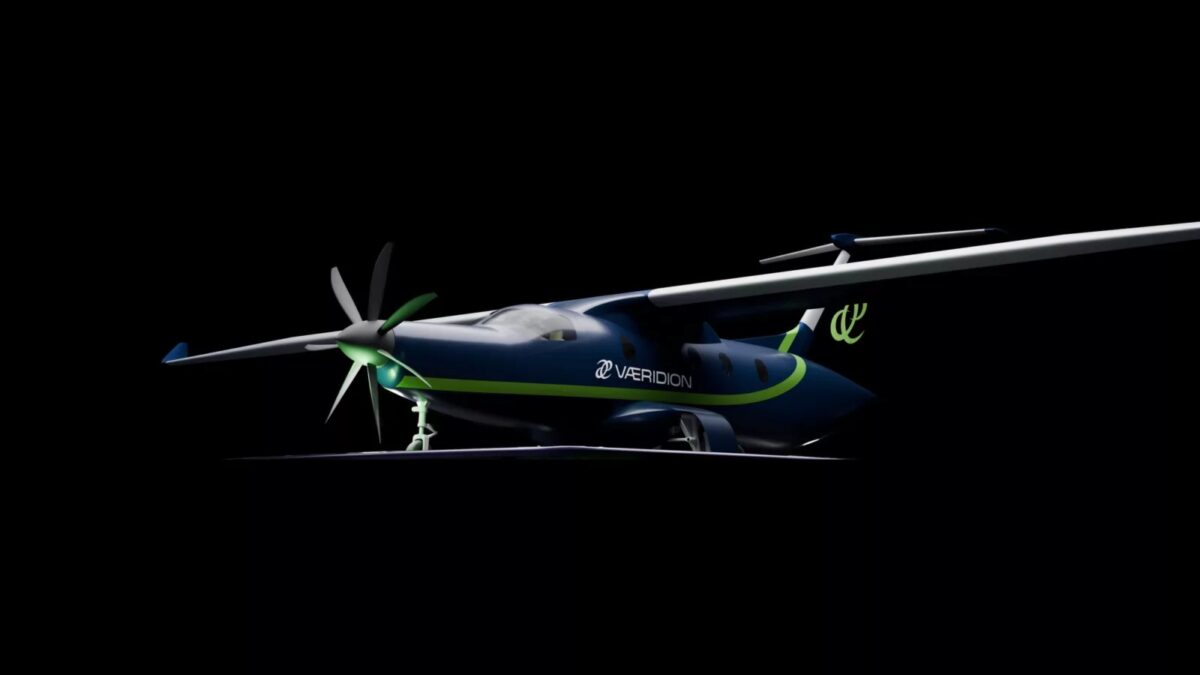
Where Lilium crashed, another Munich start-up wants to take off: Vaeridion recently announced more than €124 million in funding commitments for its electric Microliner. The aircraft is designed to carry nine passengers up to 400 kilometers without a drop of jet fuel. Most of the money, however, comes from the European Union.
Where the Money Comes From
The €124 million is made up of two parts:
- Equity: €30 million comes from a Series A2 round led by the Dutch climate fund SHIFT Invest and the Dutch state investor Invest-NL. Existing backers World Fund, Project A and Vsquared Ventures also took part, as did Alexander Rittweger, the founder of PAYBACK.
- E.U. grant: €94.5 million comes from the E.U. Innovation Fund for a project called CAROLUS, which is meant to set up a final assembly facility for the Microliner at Oberpfaffenhofen Airport near Munich. Out of 358 applications, the E.U. selected 12 large-scale projects, and CAROLUS is the only one from aviation.
In total, Vaeridion has raised about €60 million in equity and earlier public funding. The E.U. grant is not yet included, since the agreement is not expected to be signed until 2027. The fresh equity will go into a first prototype that meets certification requirements, as well as into battery and propulsion testing. “This equity round enables us to build our first conforming aircraft,” said Ivor van Dartel, the company’s founder and chief executive.
What the Microliner Can Do
Vaeridion is developing the Microliner from scratch, with a wing inspired by gliders. The key facts, according to the company:
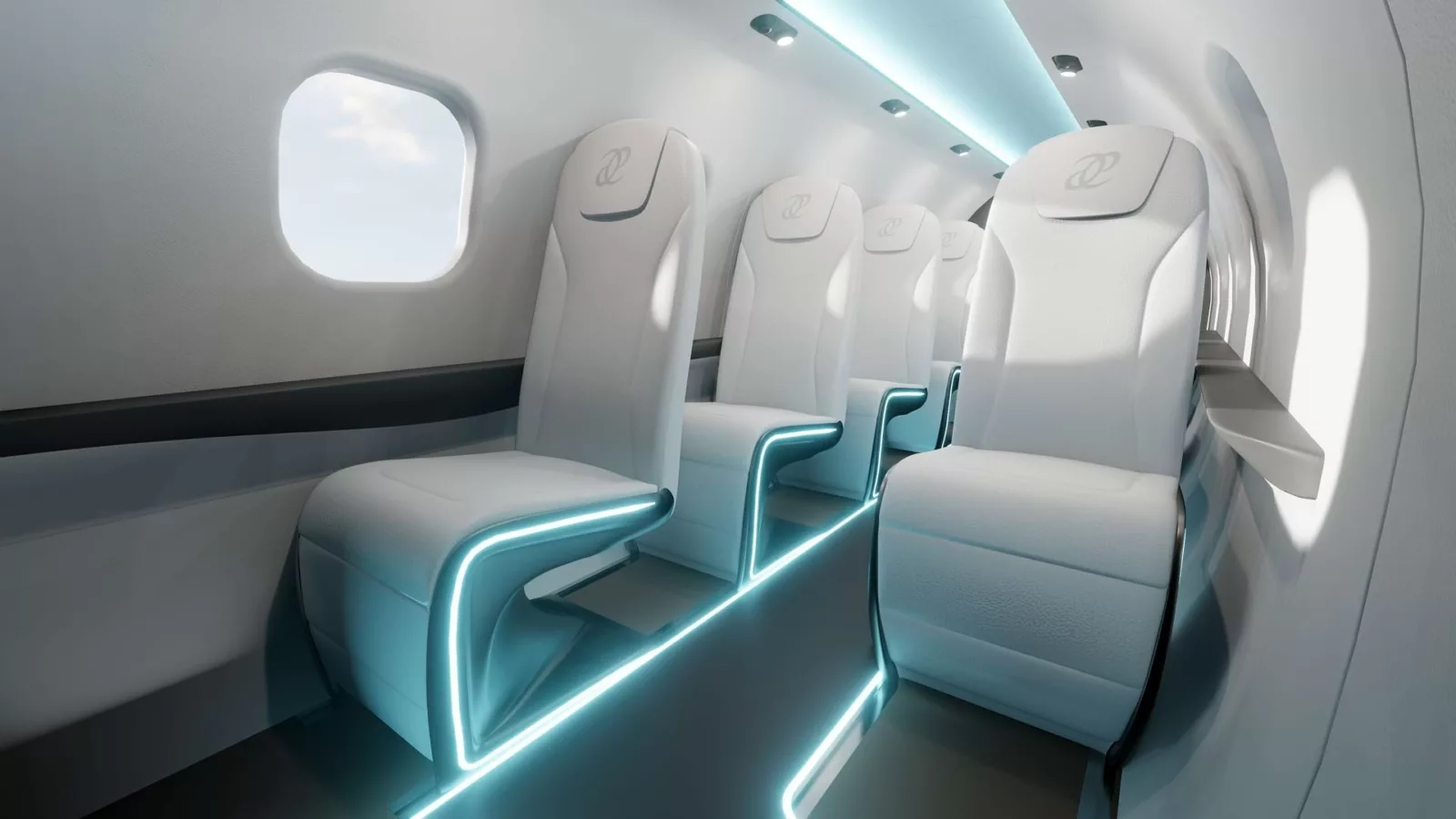
- Capacity: Nine passengers and two pilots, or up to 10 cubic meters of cargo.
- Range: 400 kilometers with a full cabin and reserves for instrument flight, or up to 550 kilometers with four passengers.
- Charging: The battery is meant to recharge in less than 40 minutes.
- Costs: The target is operating costs below €0.40 per seat-kilometer.
- Timeline: Construction of the prototype begins in early 2027, according to Aviation International News, with certification by the European Union Aviation Safety Agency planned for 2030.
The aircraft are meant for short regional routes that are often flown today by decades-old turboprops or have been dropped altogether. According to Vaeridion, Germany alone has more airfields the Microliner can serve than high-speed rail stations. Fuel prices are also working in the idea’s favor: Jet fuel prices have more than doubled year over year, according to the company.
130 Aircraft on the Books
On paper, customers are already lined up. Vaeridion reports commitments for more than 130 aircraft worth more than €730 million from regional airlines, charter operators and lessors. The launch customer is ASL, a Belgian private aviation group. KLM, the Bavarian state bank BayernLB and the aircraft lessor TrueNoord sit on an advisory committee, and partners include GKN Aerospace and the battery maker Molicel. The aircraft is being engineered in Munich and Delft and built in Bavaria.
The Competition
Electric regional aircraft have had a bumpy history. The U.S. manufacturer Eviation put its Alice, also a nine-seater, on hold in 2025. Sweden’s Heart Aerospace has since switched to a hybrid design with a combustion engine to extend range, although an all-battery prototype made its first flight in August. The Dutch company Elysian aims to fly an electric aircraft with about 90 seats by 2034. In air taxis, Germany’s two great hopes failed: Lilium shut down operations, and Volocopter was taken over by the Chinese group Wanfeng after its insolvency.
The Battery Bottleneck
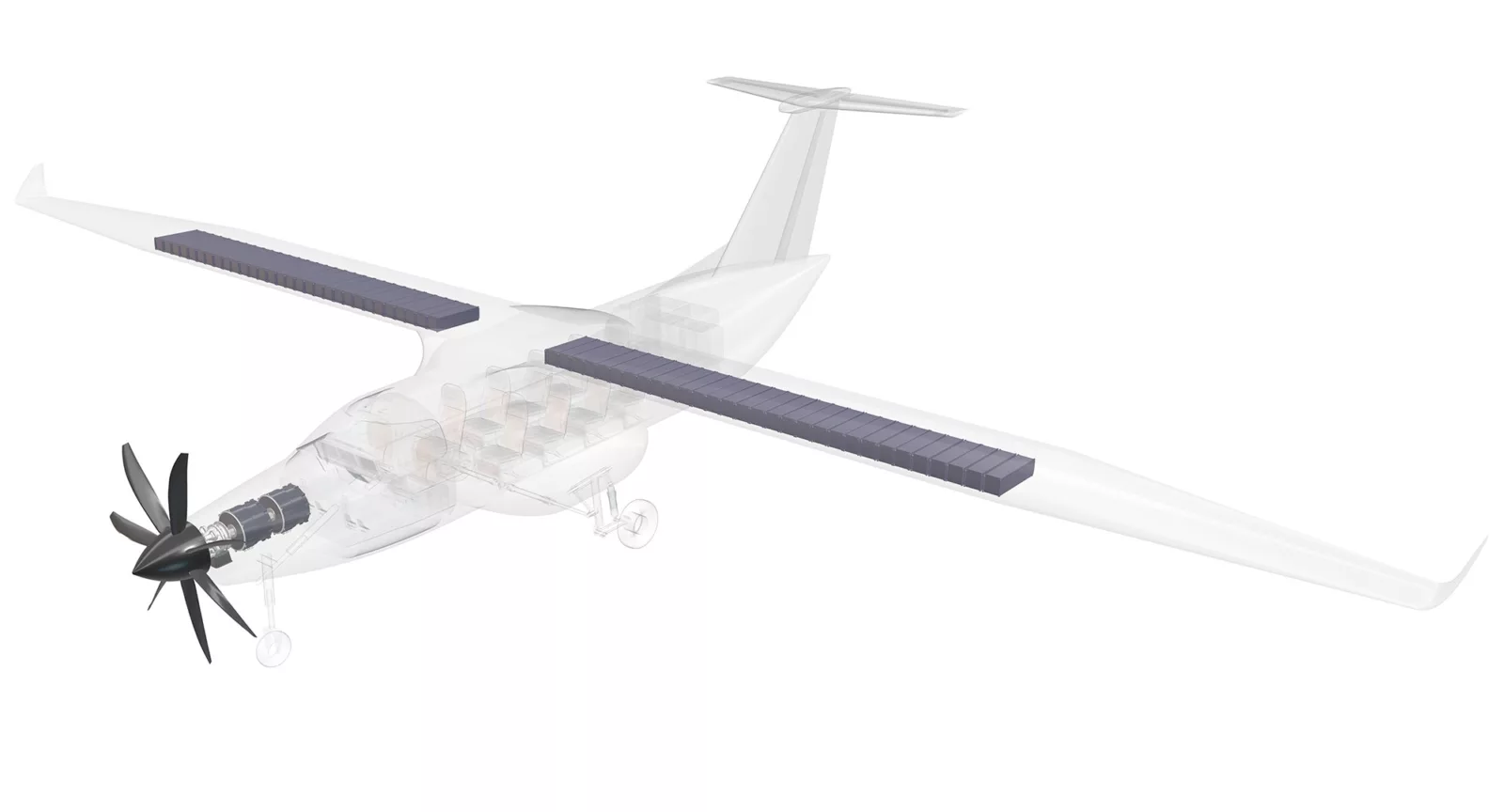
Whether the timeline holds remains to be seen. The biggest problem is still the battery, which stores only a fraction of the energy of jet fuel per kilogram. Vaeridion does not disclose how much energy the Microliner’s batteries deliver. Maarten Steinbuch, a professor at Eindhoven University of Technology, does not expect electric aircraft for 9 to 20 passengers until around 2035, according to Euronews, and aircraft with 80 to 90 seats closer to 2040. The 130 aircraft are not firm orders either; AIN describes them as provisional sales agreements. Vaeridion counters that it has already reduced its certification risk: The start-up has completed its preliminary design review and signed a second pre-application contract with the European Union Aviation Safety Agency covering its new technologies.